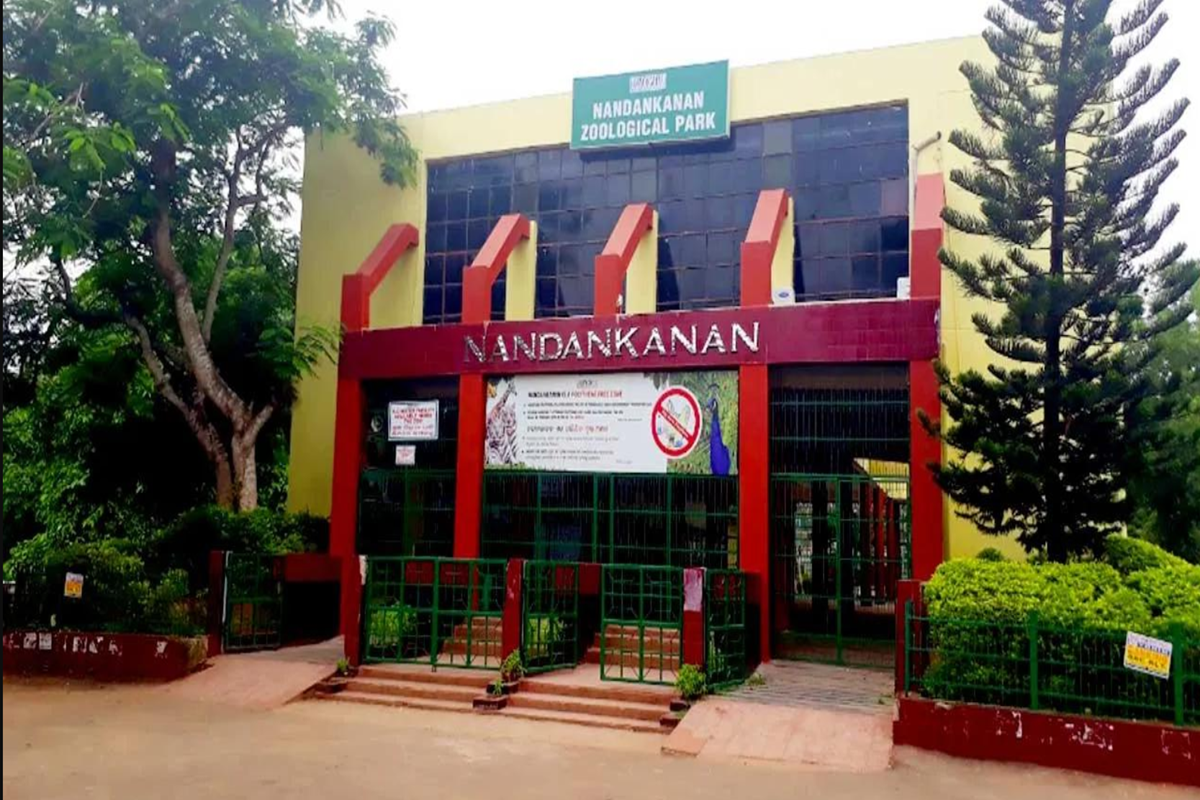
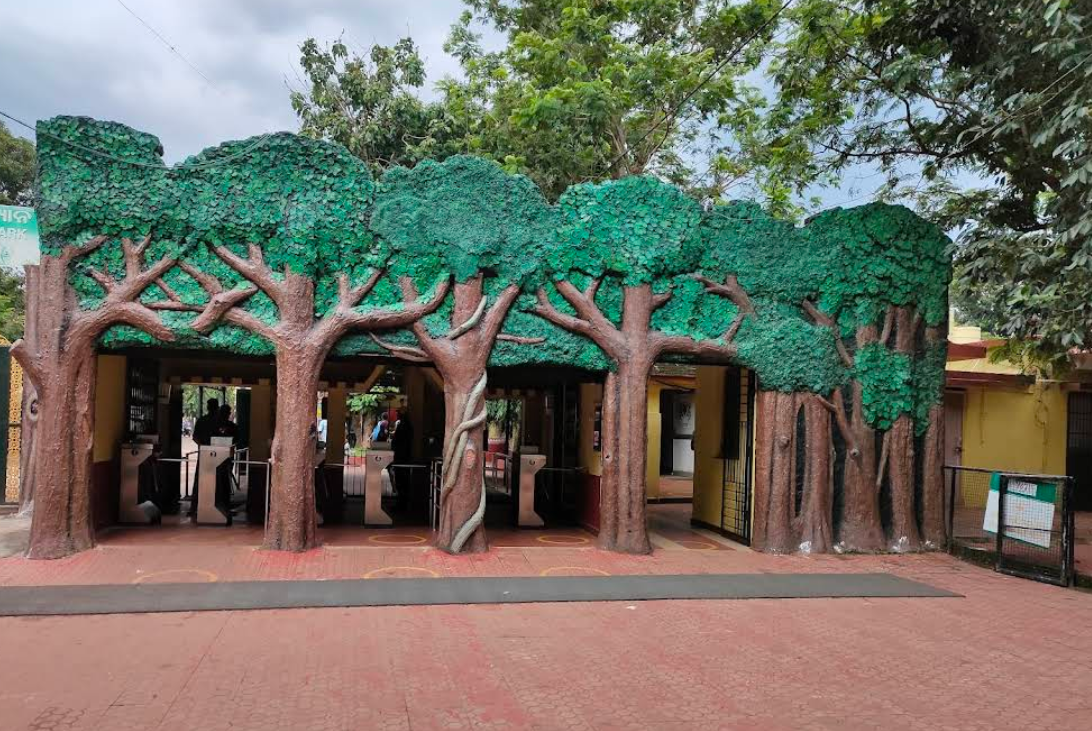
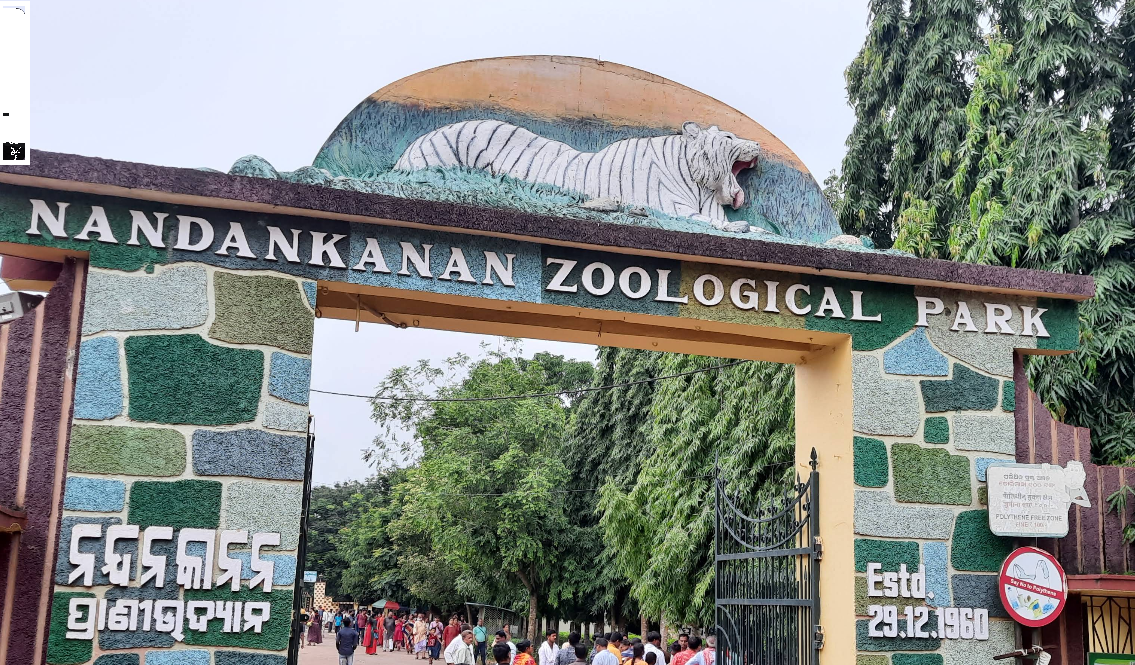
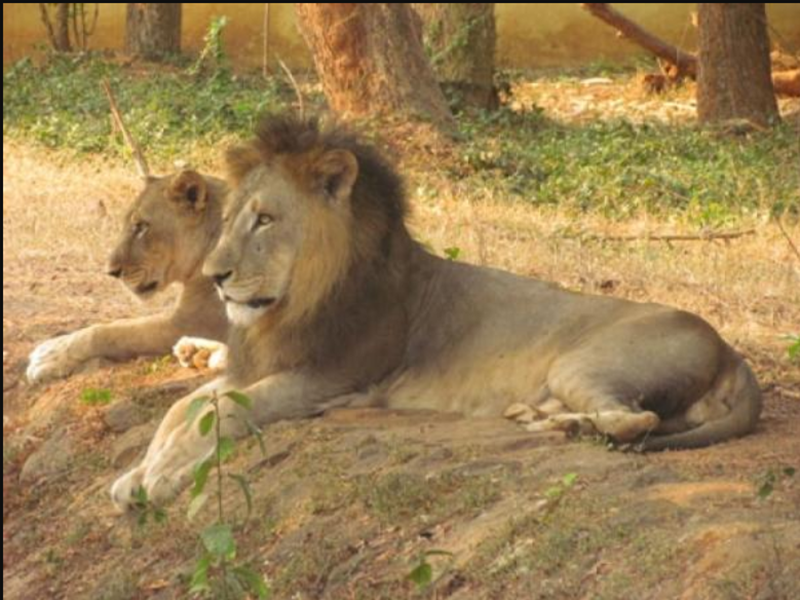
Nandankanan Zoological Park is one of India’s most famous wildlife parks and an important center for animal conservation. Located near Bhubaneswar in the state of Odisha, it is surrounded by lush forests and the beautiful Kanjia Lake, creating a natural environment unlike many traditional zoos. The name “Nandankanan” means “Garden of Heaven”, a name that perfectly reflects its green surroundings and peaceful atmosphere. Established on 29 December 1960, the park was created to provide a safe home for wildlife while promoting conservation, education, and scientific research. Today, it is one of the most visited tourist attractions in Odisha.
Location:
Nandankanan Zoological Park is situated at Barang, around 15 km from Bhubaneswar, the capital city of Odisha. It lies beside the Chandaka-Dampara Wildlife Sanctuary and includes the scenic Kanjia Lake, making it one of the few zoos in the world built inside a natural forest.
History:
The idea for Nandankanan began after the 1960 World Agriculture Fair in New Delhi, where Odisha displayed several wild animals. After the exhibition ended, the animals needed a permanent home. The Odisha Government selected the forest area near Bhubaneswar, and Nandankanan was established. It later opened to the public and gradually developed into a world-renowned conservation center.
Area and Natural Environment:
The zoological park covers approximately 437 hectares of land. Dense forests, open grasslands, natural lakes, and botanical gardens create a habitat that closely resembles the wild. Unlike conventional zoos, many animals live in spacious enclosures surrounded by natural vegetation.
Wildlife and Animal Collection:
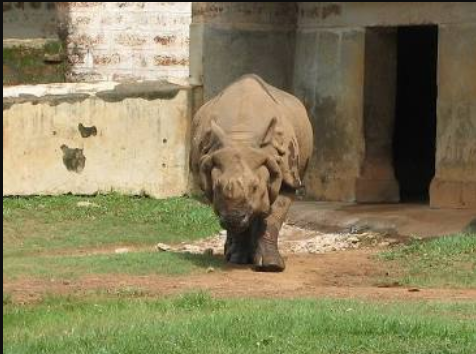
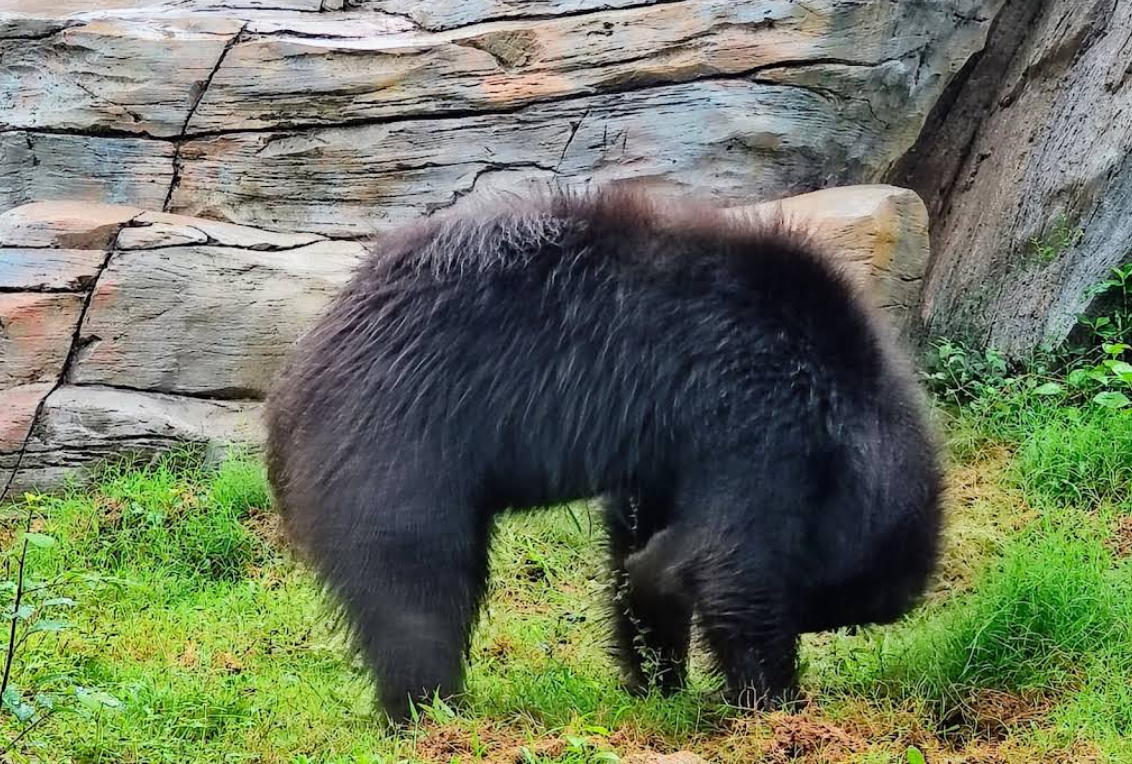
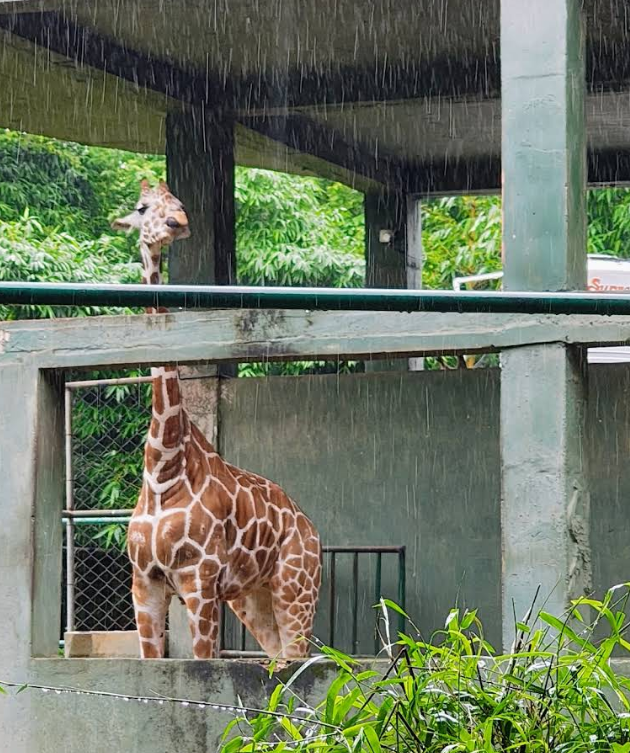
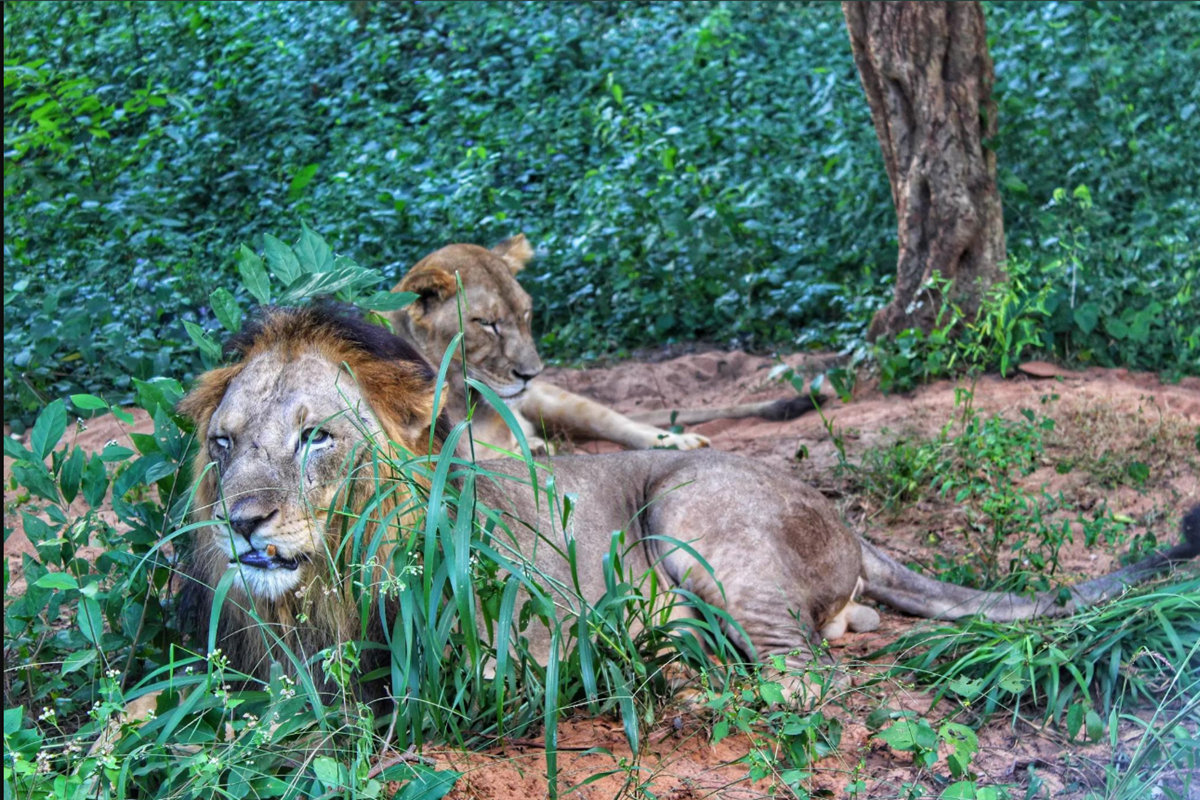
Nandankanan houses hundreds of mammals, birds, reptiles, and amphibians representing over 150 species. Visitors can see-Royal Bengal Tigers,White Tigers,Asiatic Lions,Leopards,Black Panthers, Elephants,Hippopotamuses,Giraffes,Deer species,Crocodiles,,Gharials,Bears, Monkeys,Orangutans,Birds from India and abroad,Numerous reptiles and snakes The park continues to play a major role in breeding and conserving endangered wildlife.
White Tigers – The Biggest Attraction:
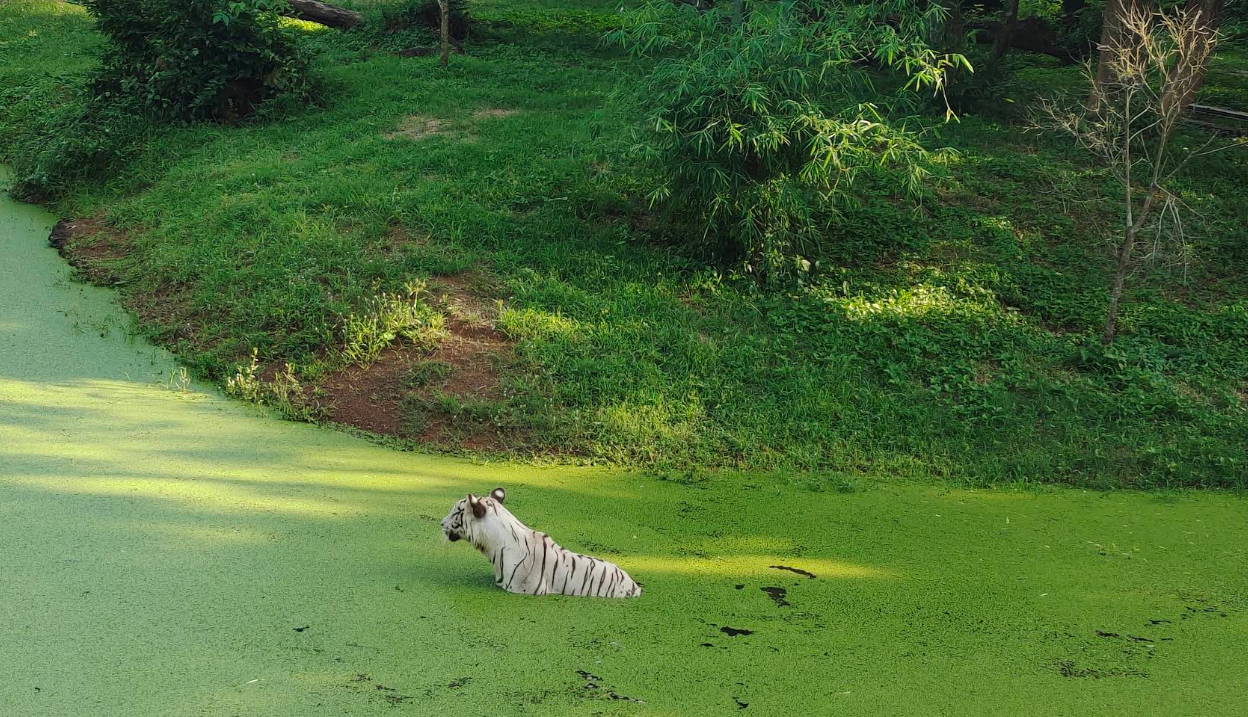
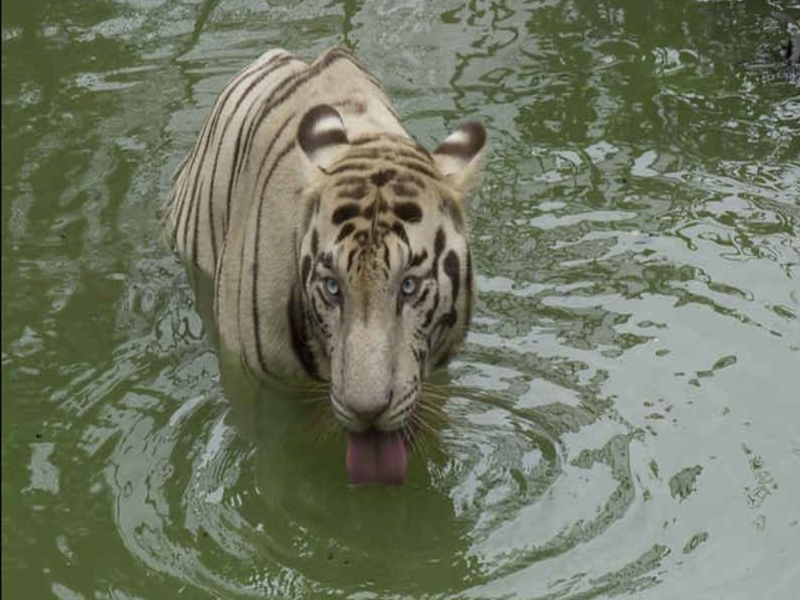
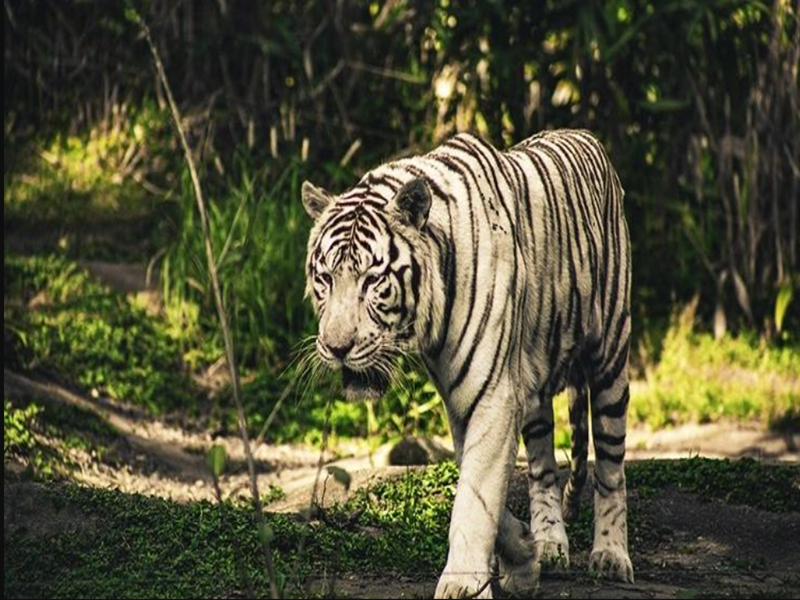
Nandankanan is internationally famous for its White Tigers. In 1980, white tiger cubs were born to normally colored Royal Bengal Tiger parents, a remarkable achievement that made the zoo globally recognized. It also established India’s first White Tiger Safari, where visitors travel through a large natural enclosure while white tigers roam freely. Visitors can enjoy several safari experiences, including: White Tiger Safari,Lion Safari,Herbivore Safari,Bear Safari These safaris allow visitors to observe animals in large natural habitats rather than traditional cages.
Botanical Garden:
Adjacent to the zoo is the State Botanical Garden, featuring thousands of plant species, medicinal plants, orchids, bamboo collections, and flowering gardens. It is an excellent destination for nature lovers, photographers, and students.
Kanjia Lake:
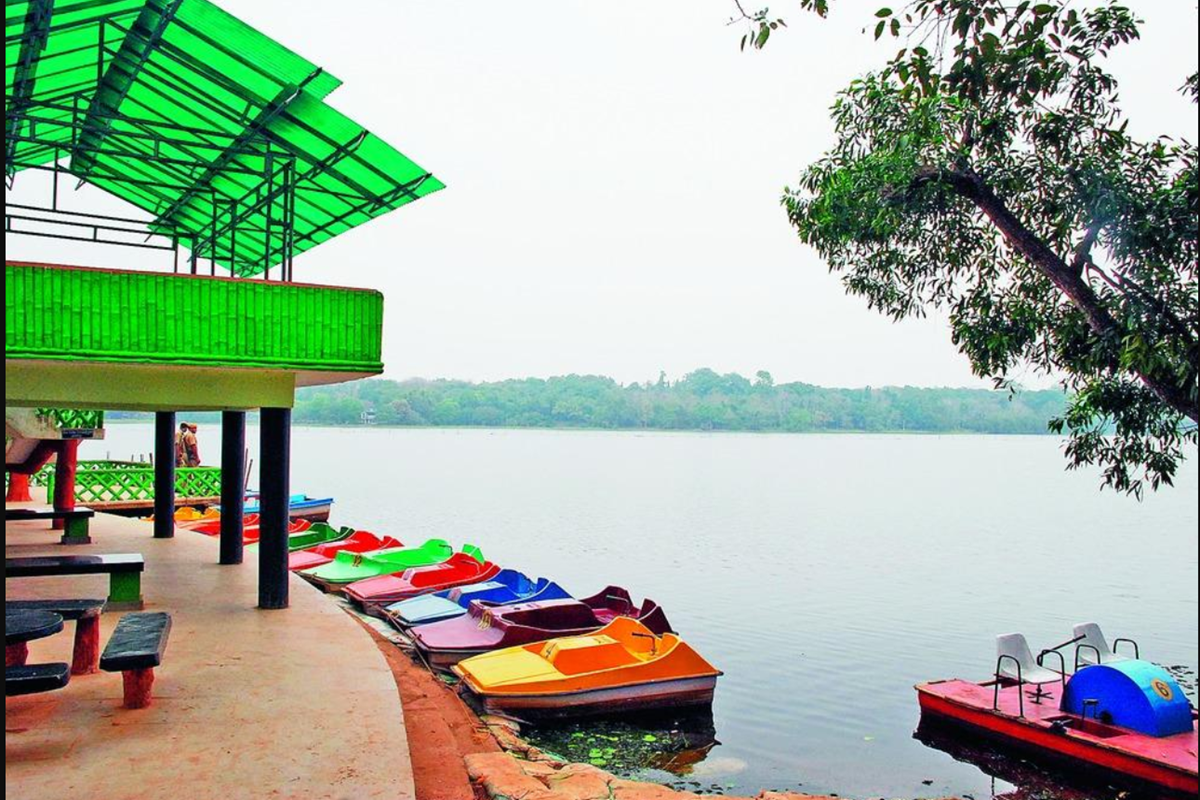
Kanjia Lake is one of the park’s greatest natural attractions. Recognized as a wetland of national importance, the lake supports many fish, birds, reptiles, and aquatic plants while adding to the scenic beauty of Nandankanan.
Conservation and Research:
Nandankanan is not only a tourist destination but also an internationally respected wildlife conservation center. It has successfully bred many endangered species, including: Gharials,Indian Pangolins,White Tigers,Lion-tailed Macaques Himalayan Black Bears,Saltwater Crocodiles The zoo also conducts veterinary care, scientific research, wildlife education, and conservation breeding programs.
Special Achievements:
Some remarkable achievements include First zoo in India to become a member of the World Association of Zoos and Aquariums (WAZA). World-famous breeding center for White Tigers. India’s first White Tiger Safari. Important conservation breeding center for Indian Pangolins. Successfully bred many endangered species in captivity. Visitor Information
Opening Hours:
April to September: 7:30 AM – 5:30 PM October to March: 8:00 AM – 5:00 PM Closed: Every Monday. Best Time to Visit The ideal months to visit are October to February, when the weather is pleasant and animals are generally more active. Winter also offers better opportunities for photography and sightseeing.
How to Reach:
By Air: Biju Patnaik International Airport, Bhubaneswar (about 20 km away). By Train: Bhubaneswar Railway Station (about 18 km) or Barang Railway Station nearby. By Road: Easily accessible by taxi, bus, or private vehicle from Bhubaneswar and Cuttack. Neare by attractions Udayagiri and Khandagiri Caves You Can Check Your Distance Click Here
Why Nandankanan is Special?
Unlike ordinary zoos, Nandankanan combines wildlife conservation, forests, wetlands, botanical gardens, and safari experiences within one natural landscape. Its success in breeding endangered animals—especially the White Tiger—has earned it worldwide recognition. Families, students, researchers, photographers, and wildlife enthusiasts all find it to be a memorable destination.
Conclusion:
Nandankanan Zoological Park is much more than a place to see animals. It is a center for wildlife conservation, education, and environmental awareness. With its natural forest setting, famous White Tigers, scenic Kanjia Lake, botanical garden, and successful conservation programs, it stands among India’s finest zoological parks. A visit to Nandankanan offers both recreation and a deeper understanding of the importance of protecting wildlife for future generations.