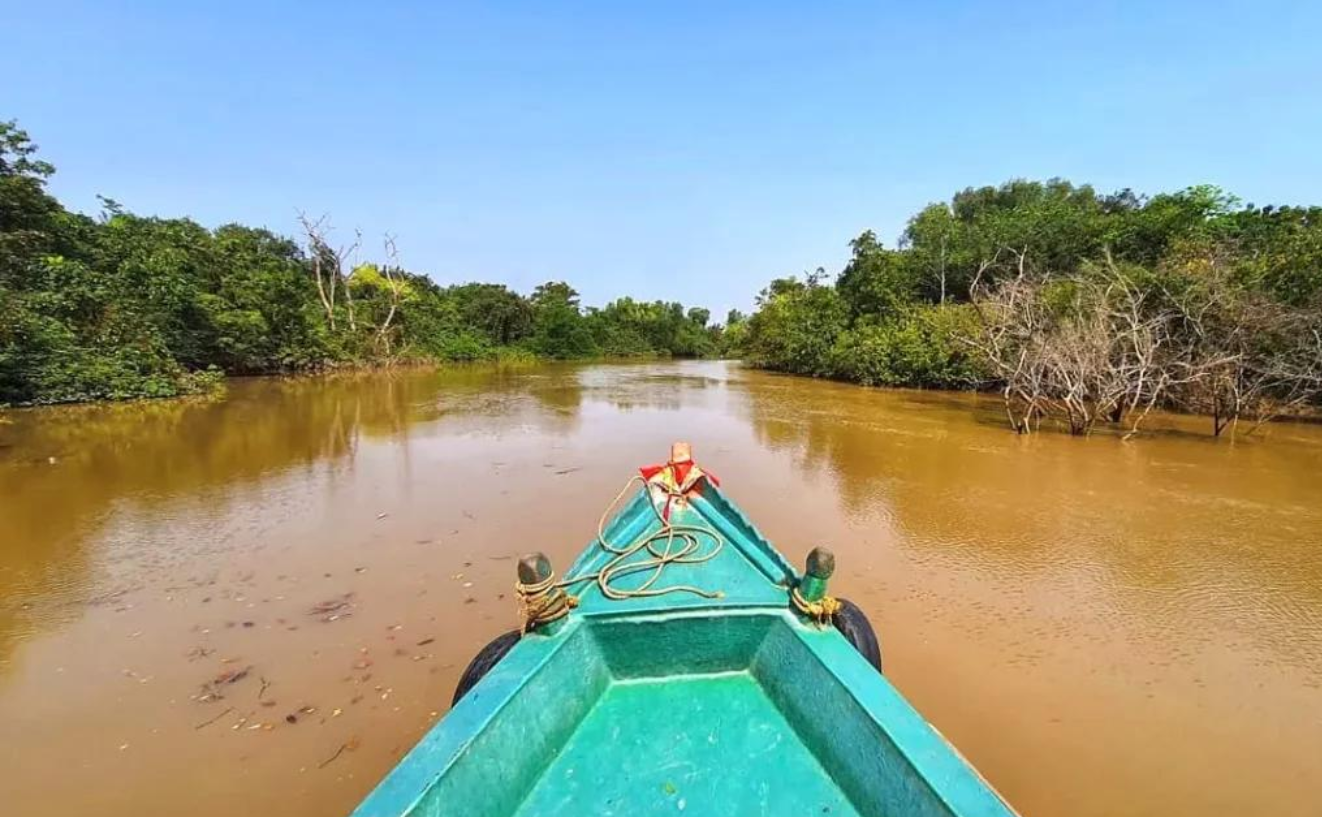
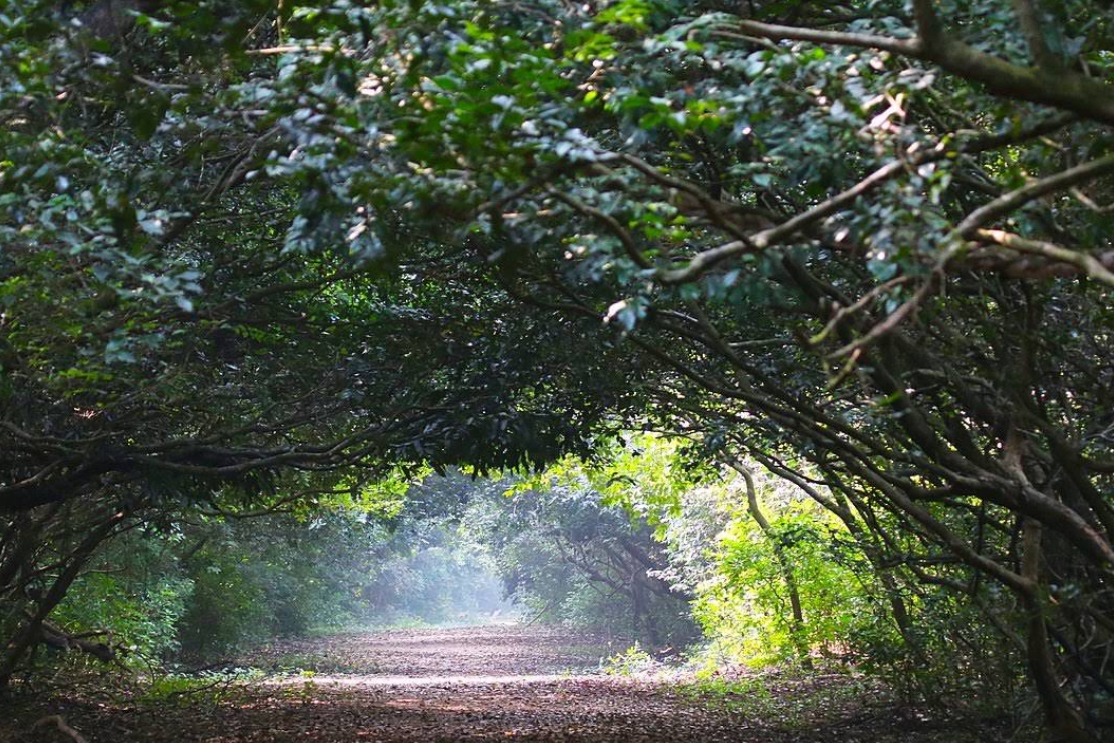
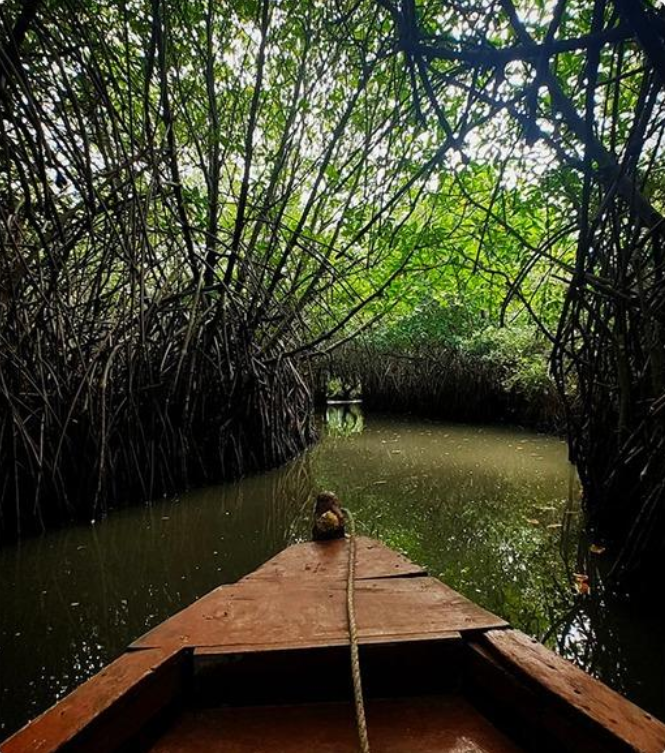
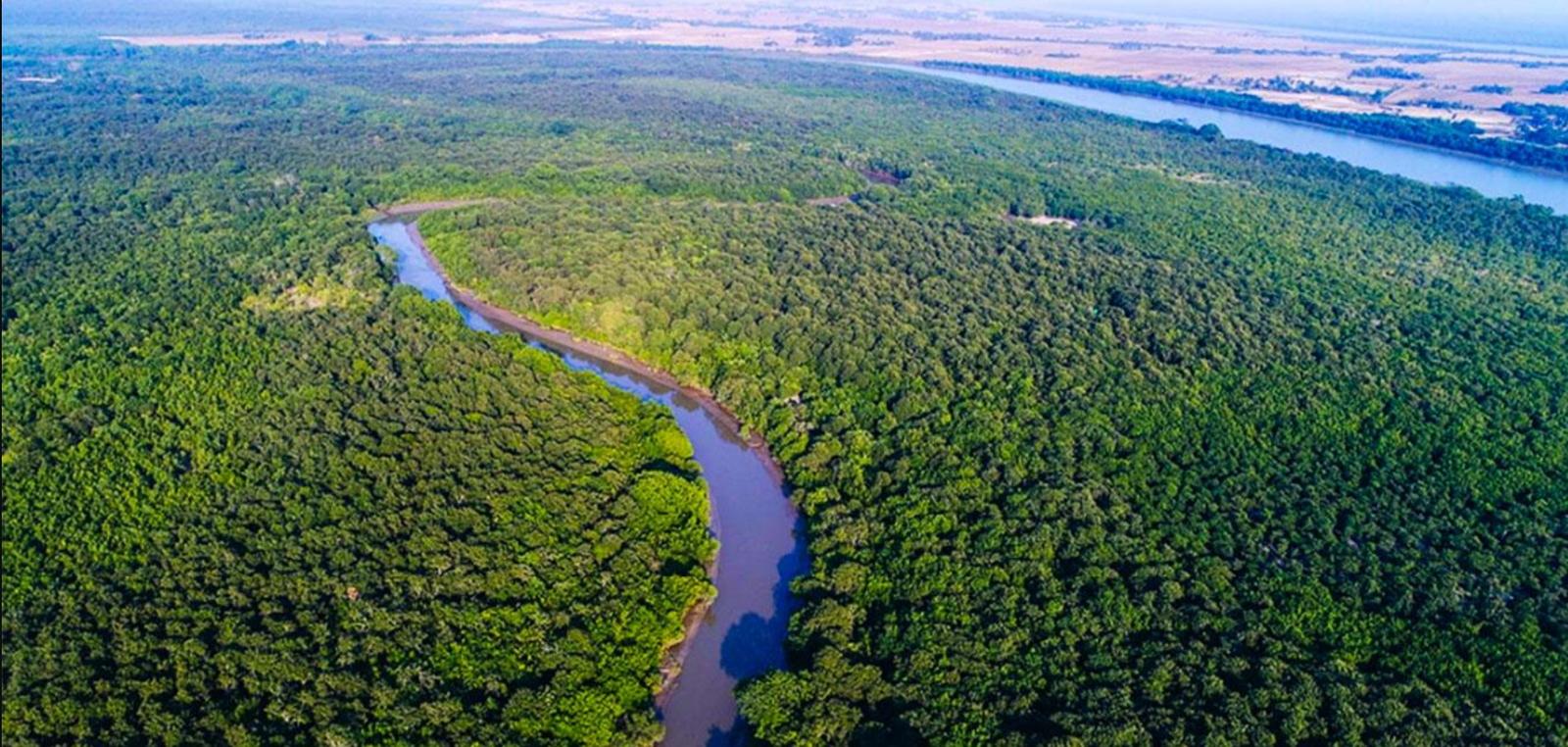
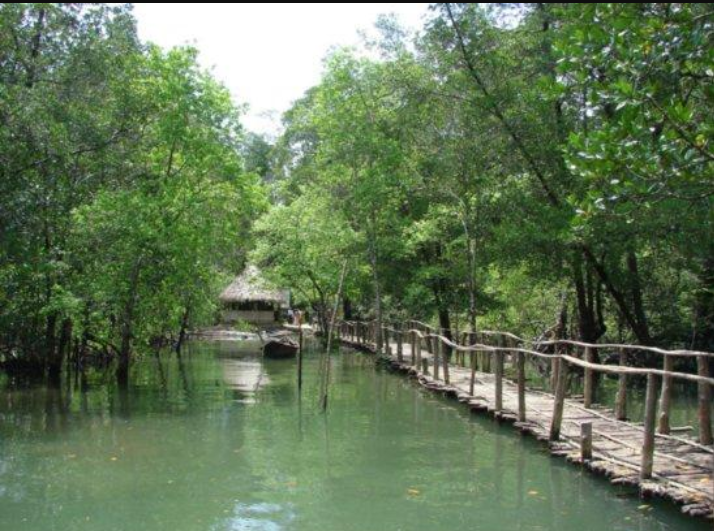
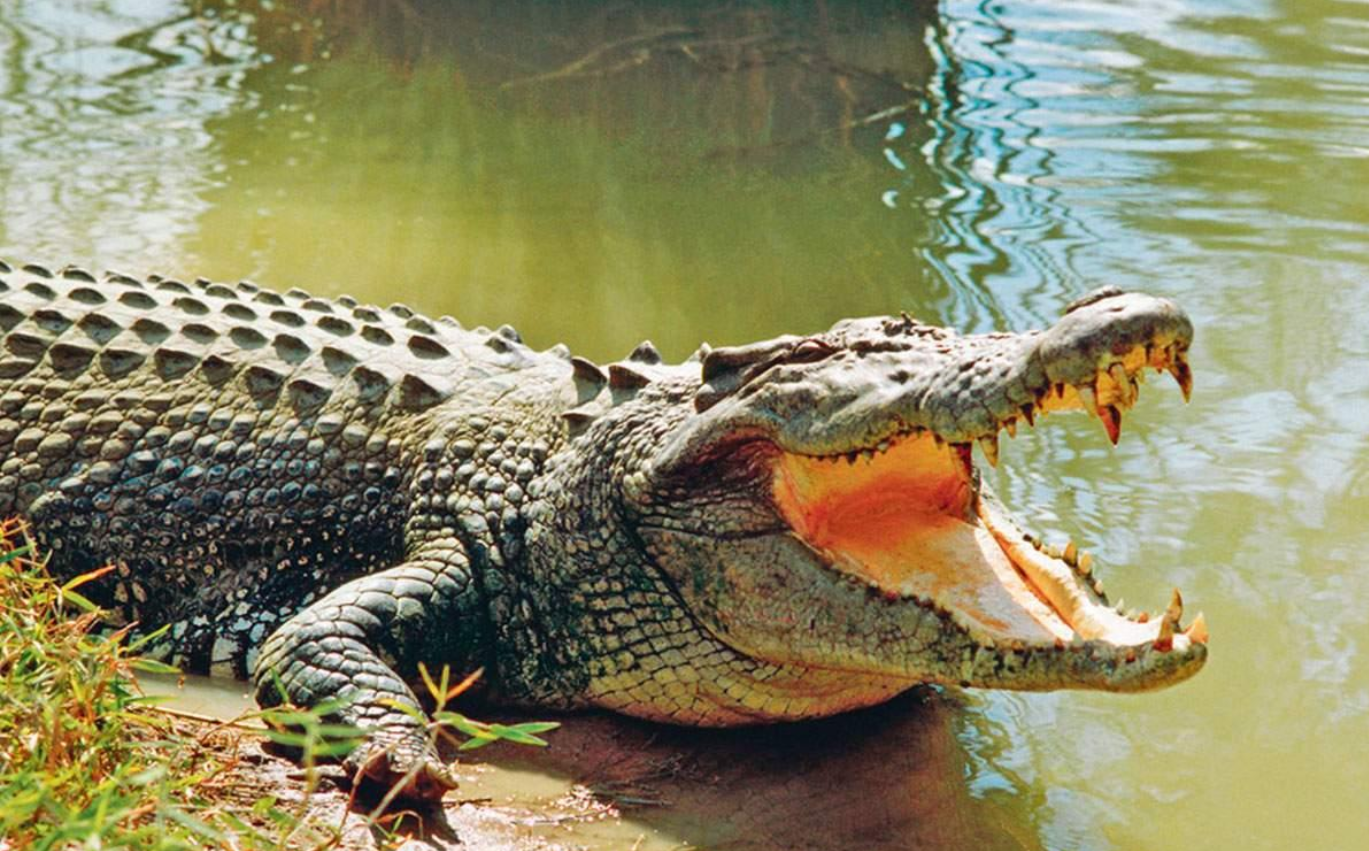
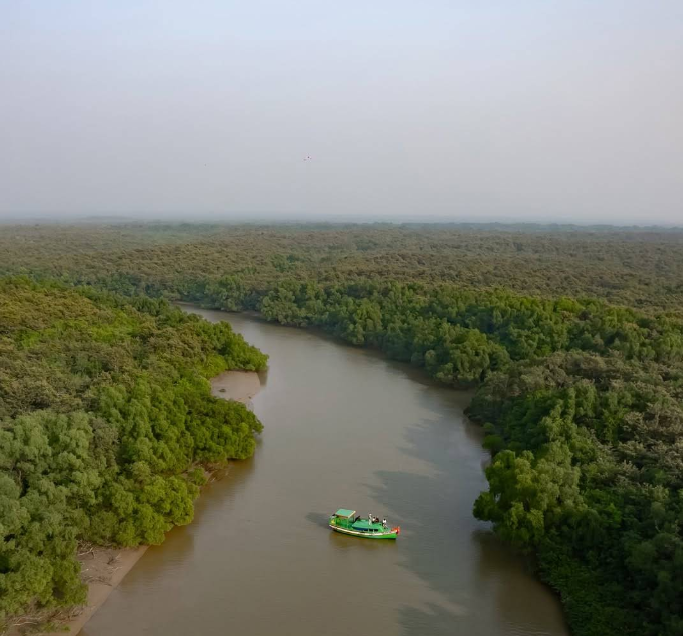
Bhitarkanika National Park is one of India’s most important wildlife destinations and the second-largest mangrove ecosystem in the country. It is located in the Kendrapara district of Odisha, where the Brahmani, Baitarani, and Dhamra river systems meet the Bay of Bengal. The park is famous for its dense mangrove forests, winding rivers and creeks, rich biodiversity, and large population of saltwater crocodiles. It is also recognized as a Ramsar Wetland of International Importance because of its ecological significance.
Basic Information:
Location: Kendrapara district, Odisha, India State: Odisha Area of National Park: 145 sq. km Wildlife Sanctuary Area: 672 sq. km Established as Wildlife Sanctuary: 1975 Declared National Park: 16 September 1998 Ramsar Site: 19 August 2002 Nearest City: Rajnagar Nearest Airport: Biju Patnaik International Airport, Bhubaneswar (about 155 km) Nearest Railway Station: Cuttack (about 135 km) Neare by attractions Simlipal National Park You Can Check Your Distance Click Here
History:
Lorem ipsum dolor sit amet, consectetur adipiscing elit. Ut elit tellus, luctus nec ullamcorper matti Earlier, Bhitarkanika was part of the Kanika royal estate. Because of its rich wildlife and mangrove forests, the Government of Odisha declared it a wildlife sanctuary in 1975. Later, the core area was declared a national park in 1998. Today, it is one of India’s best-protected wetland ecosystems and an important center for crocodile conservation.s, pulvinar dapibus leo.
Geography:
The park is located in the delta formed by the Brahmani and Baitarani rivers. It contains a network of rivers, creeks, mudflats, estuaries, marshes, and mangrove forests. The mixture of freshwater and seawater creates ideal conditions for diverse plants and animals.
Flora (Plants)
Bhitarkanika is famous for its mangrove vegetation. More than 60 species of mangrove plants are found here. Common species include: Sundari,Avicennia,Rhizophora,Sonneratia,Casuarina,Reed grasses These mangroves protect the coastline from storms and provide breeding grounds for fish and other aquatic life.
Fauna (Animals)
The park supports a wide variety of wildlife. Reptiles,Saltwater crocodile (the park’s most famous animal),Indian python King cobra,Water monitor lizard,Mammals,Spotted deer (Chital) Wild boar,Fishing cat,Jungle cat,Otter,Rhesus macaque
Birds:
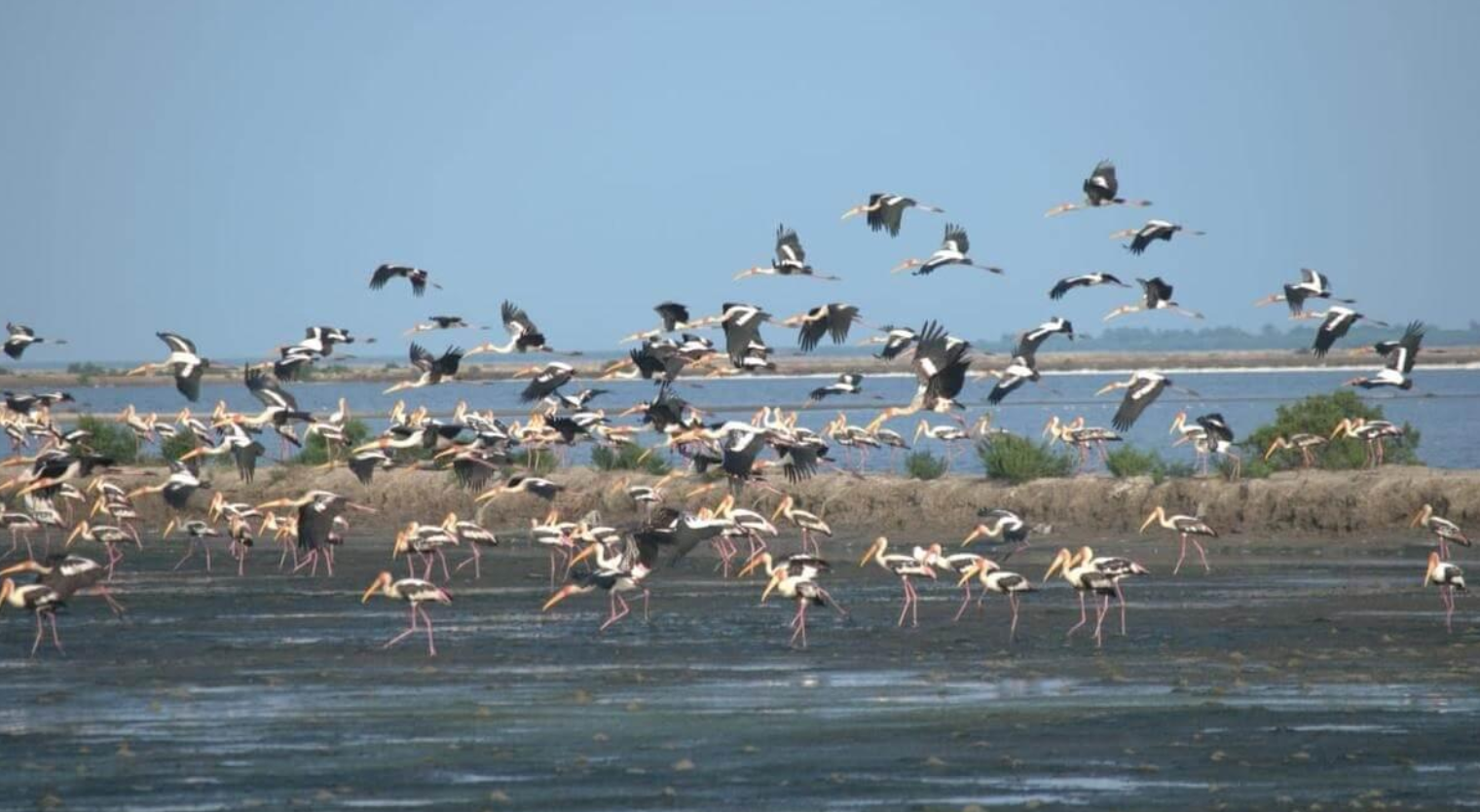
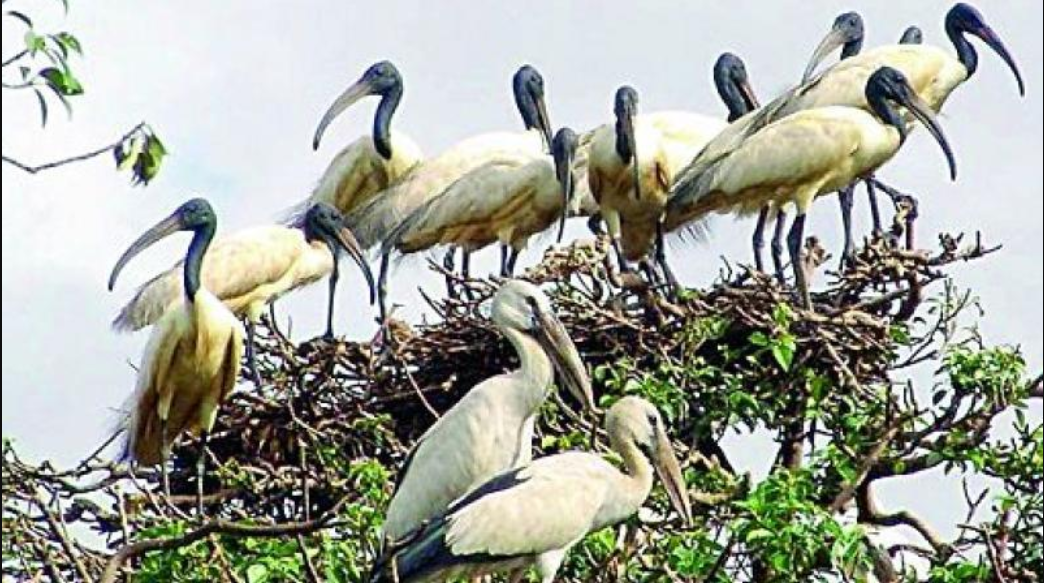
More than 200 bird species are found here, including: Kingfishers,Egrets,Herons,Black ibis,Open-billed storks,Darters Sea eagles,Cormorants During winter, many migratory birds arrive from Central Asia and Europe.
Saltwater Crocodiles:
Bhitarkanika is internationally famous for its large population of saltwater crocodiles, the largest living reptiles in the world. Odisha’s crocodile conservation program, started in 1975, has helped increase their population significantly. The park is also known for rare white (albino) crocodiles kept in protected enclosures.
Best Time to Visit:
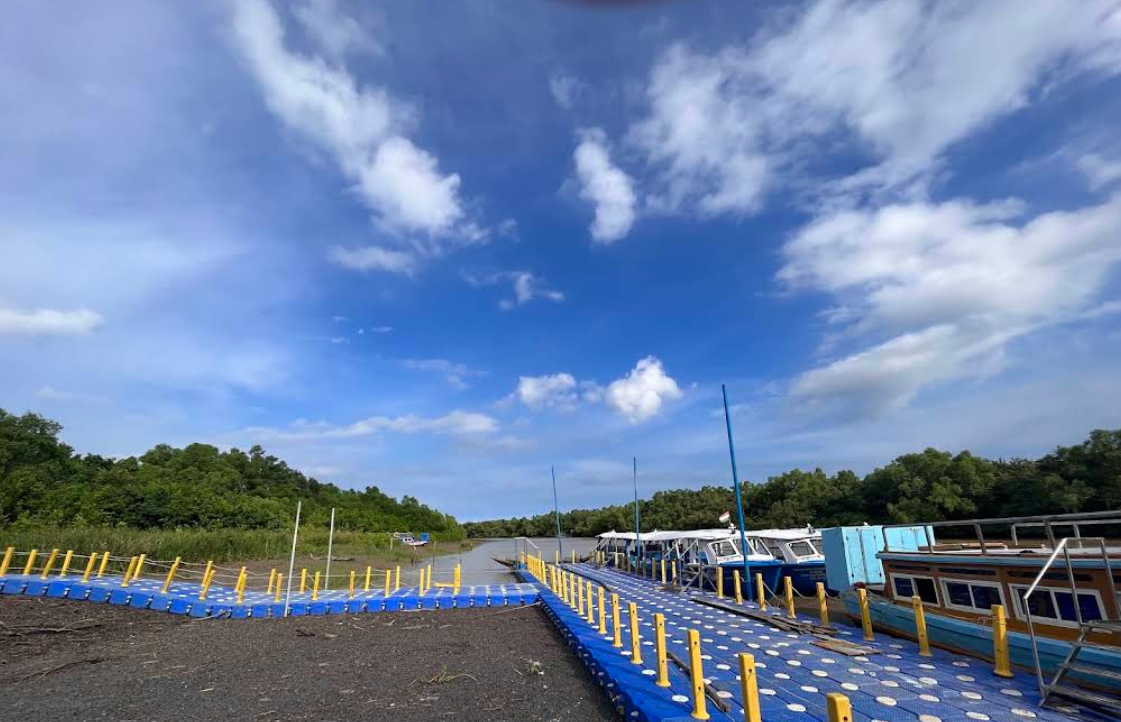
The ideal time to visit is October to March, when the weather is pleasant and birdwatching is at its best. The monsoon season brings lush greenery, while winter attracts thousands of migratory birds. Tourist Attractions,Dangmal Nature Camp,Crocodile Breeding and Research Centre Mangrove forests,Boating through rivers and creeks,Bird watching,Nature trails Watchtowers for wildlife viewing,Importance of Bhitarkanika Protects India’s second-largest mangrove ecosystem.Conserves endangered saltwater crocodiles. Supports rich biodiversity.Acts as a natural barrier against cyclones and coastal erosion. Provides breeding and nesting habitats for birds, reptiles, and aquatic animals. Promotes ecotourism and environmental education.
Conclusion:
Bhitarkanika National Park is one of Odisha’s greatest natural treasures. Its mangrove forests, rivers, crocodiles, birds, and diverse wildlife make it a unique destination for nature lovers, researchers, and tourists. The park plays a vital role in conserving biodiversity and protecting the coastal environment, making it one of India’s most valuable national parks.