Lingaraj Temple is one of the oldest, largest, and most sacred Hindu temples in India. It is located in Bhubaneswar, the capital city of Odisha, which is often called the “Temple City of India.” Dedicated primarily to Lord Shiva, the temple is also a symbol of harmony between the Shaivite and Vaishnavite traditions because the main deity is worshipped as Harihara, a combined form of Lord Shiva and Lord Vishnu. The temple is regarded as the finest example of Kalinga style architecture and is the most famous landmark of Bhubaneswar.
History:
The present structure of Lingaraj Temple was built during the 11th century CE by the Somavamsi dynasty, with later additions made by the Eastern Ganga rulers. Historical evidence suggests that worship at this site existed even before the present temple was constructed, and references to the shrine appear in ancient Sanskrit texts. The temple played a significant role in making Bhubaneswar an important centre of Shaivism in eastern India.
Religious Significance:
The presiding deity is Lord Lingaraj (Tribhuvaneshwara), meaning “King of Lingas.” The Shiva Linga inside the sanctum is believed to be Swayambhu (self-manifested). Unlike many Shiva temples, the deity here is worshipped as Harihara, representing both Shiva and Vishnu, making the temple spiritually significant for followers of both traditions. Devotees offer water, milk, flowers, Bela leaves, and Tulsi during daily worship.
Architecture:
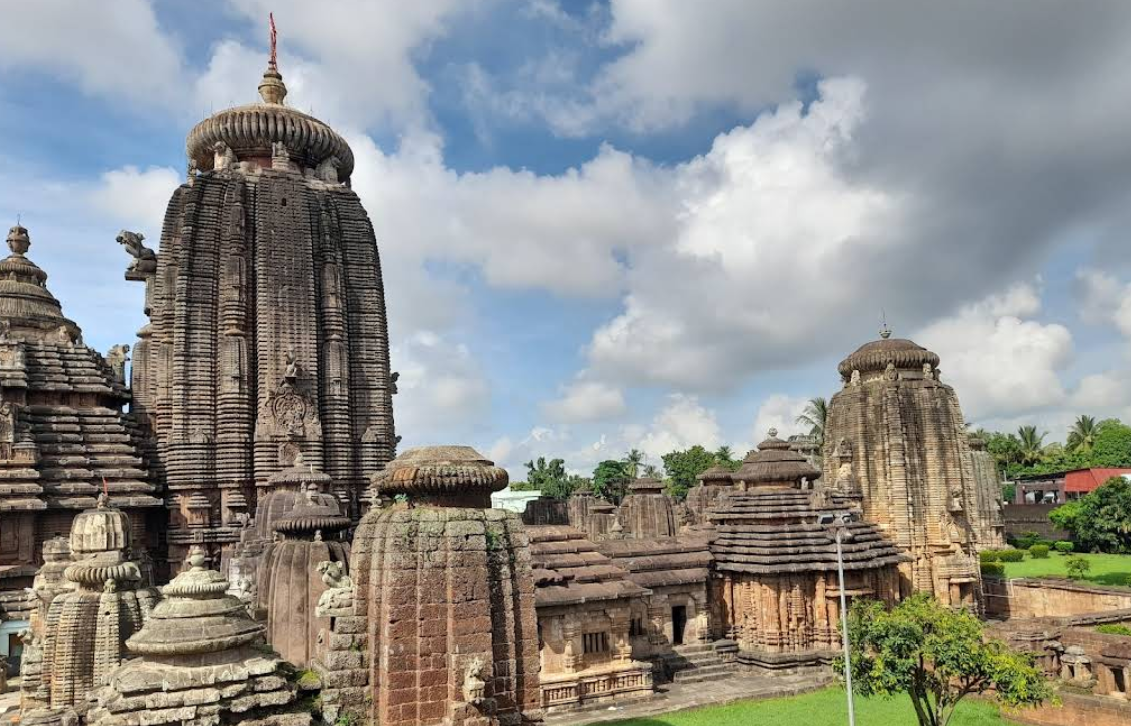
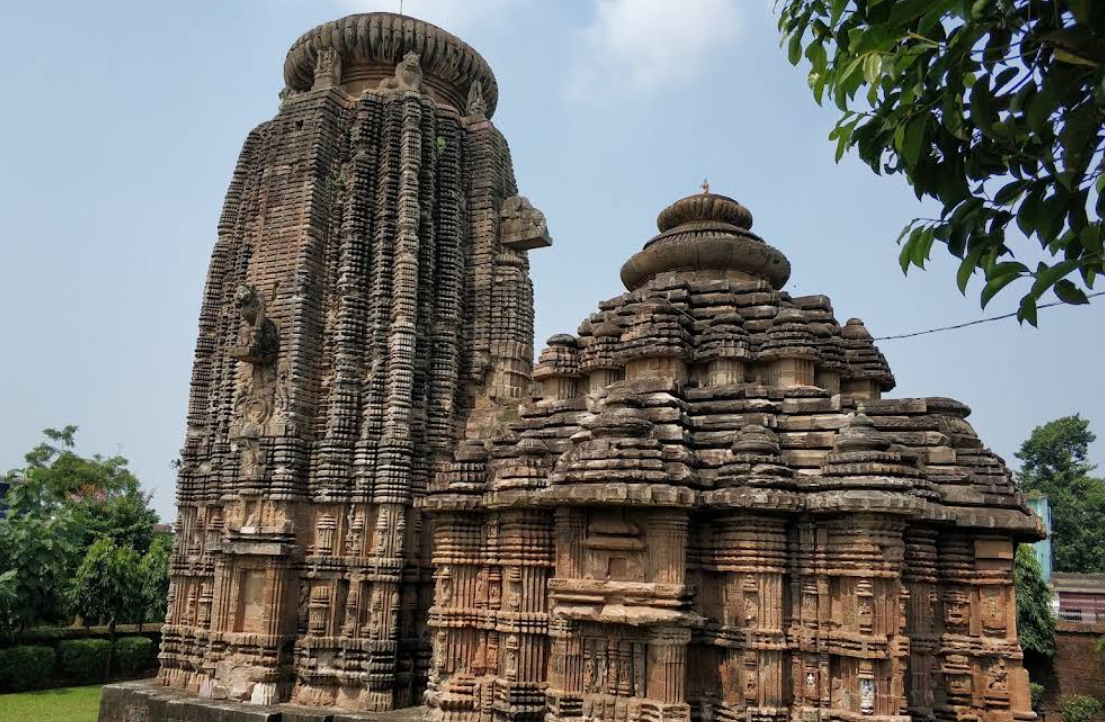
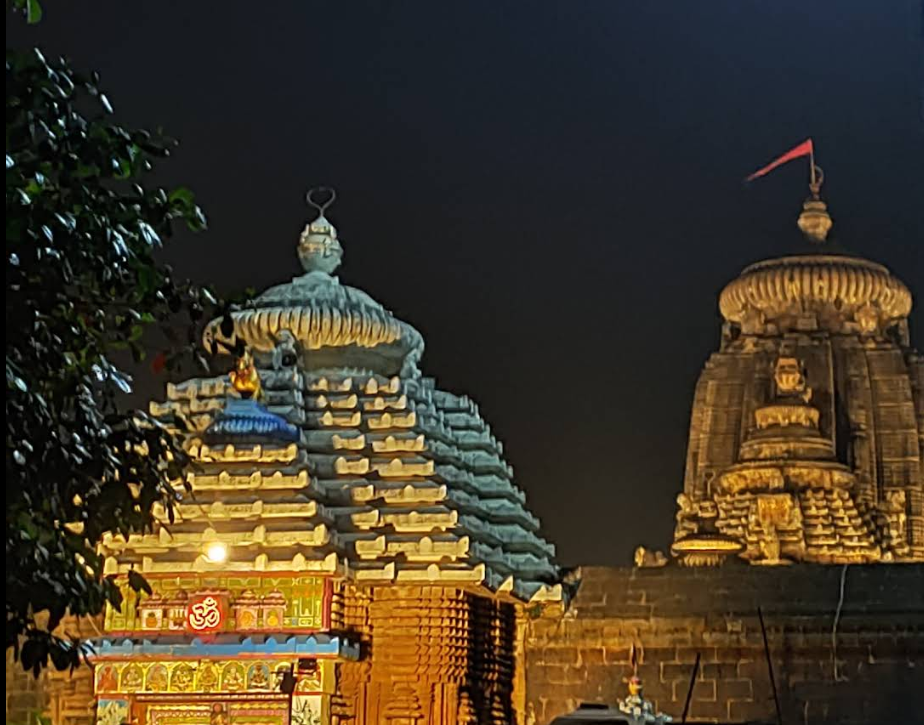
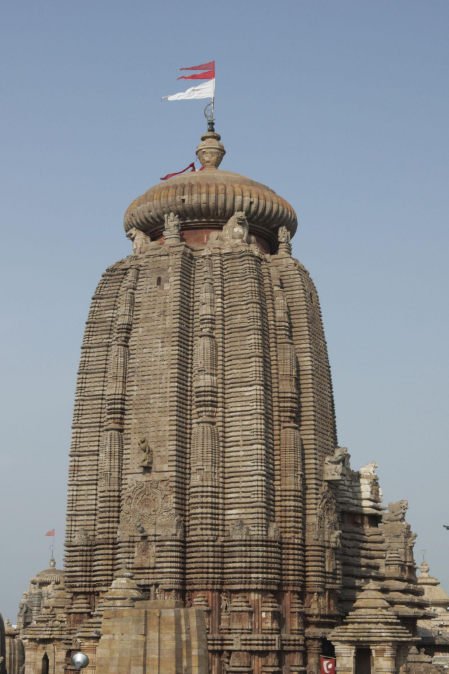
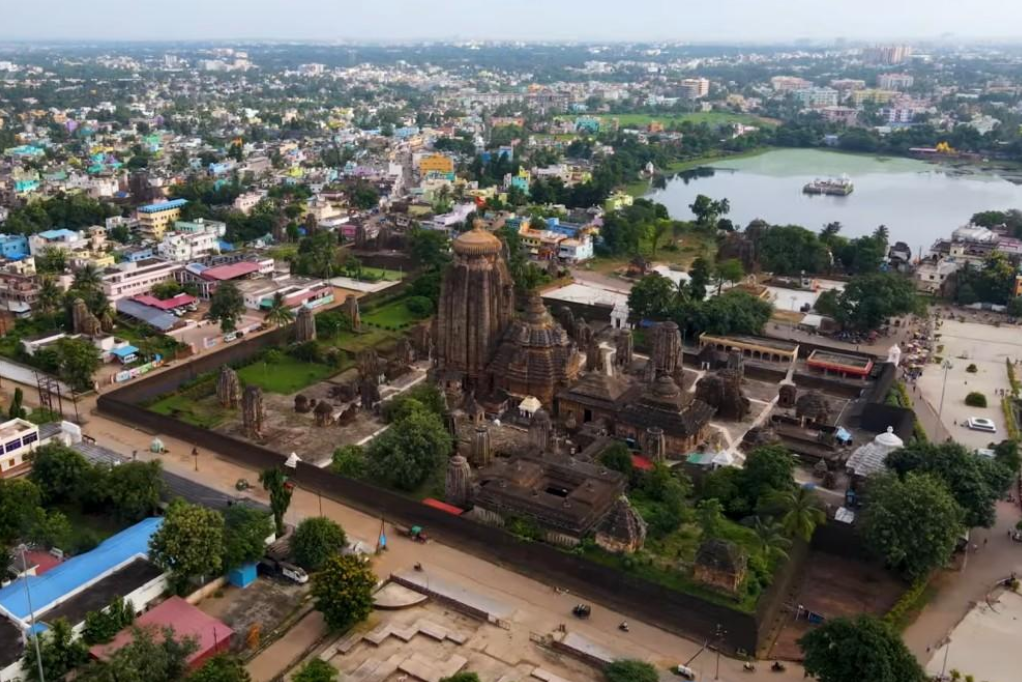
Lingaraj Temple is considered the finest masterpiece of Kalinga temple architecture. The temple stands about 180 feet (55 metres) high and dominates the skyline of Bhubaneswar. The temple complex contains approximately 150 subsidiary shrines, each dedicated to different Hindu gods and goddesses. The entire structure is built mainly from sandstone and laterite, with beautiful carvings covering almost every surface.
The temple consists of four major sections:
Vimana (Sanctum Sanctorum) – Houses the sacred Shiva Linga. Jagamohana – Assembly hall where devotees gather. Natamandira – Hall used for dance and cultural performances. Bhoga Mandapa – Hall where offerings are prepared and presented to the deity. Each section rises gradually in height, symbolizing spiritual progress toward the divine.
Sculptures and Artwork:
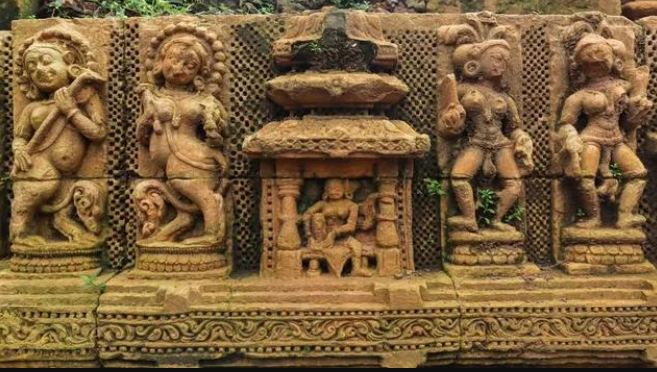
The walls of the temple are richly decorated with sculptures depicting: Hindu gods and goddesses,Floral and geometric patterns Celestial dancers (Apsaras),Mythological stories Animals and birds,Royal processions,Daily life scenes The carvings demonstrate the exceptional craftsmanship of medieval Odishan sculptors and are admired by historians and archaeologists worldwide.
Temple Complex:
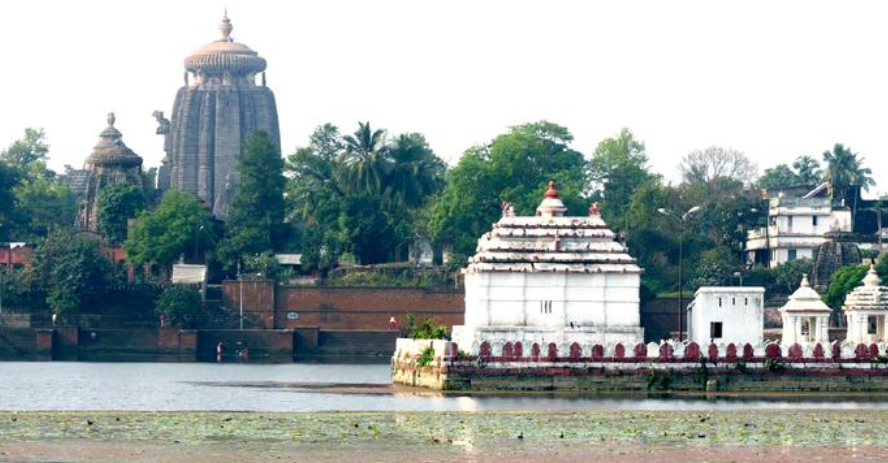
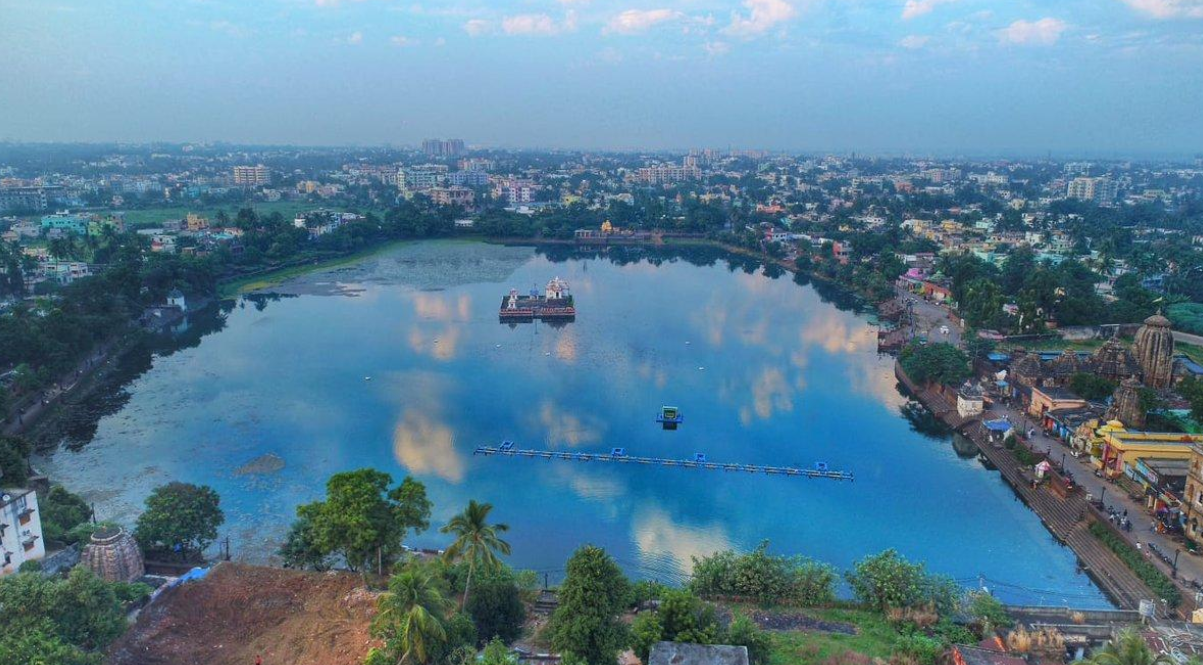
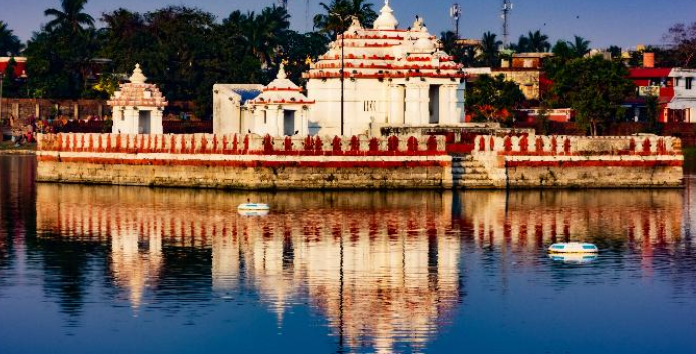
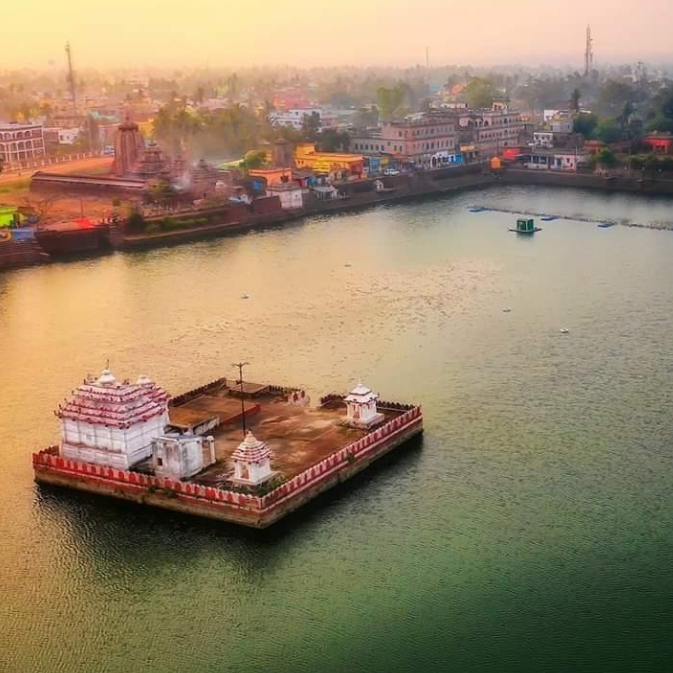
The temple complex is enclosed by a massive laterite wall and contains around 150 smaller shrines dedicated to various deities such as: Lord Ganesha,Goddess Parvati,Lord Kartikeya,Goddess Gauri Lord Vishnu,Other forms of Shiva Nearby lies the sacred Bindu Sagar Lake, where pilgrims traditionally take a holy bath before entering the temple.
Festivals:
Several important festivals are celebrated with great devotion: Mahashivaratri – The biggest festival, attracting thousands of devotees. Rukuna Rath Yatra – The annual chariot festival of Lord Lingaraj. Chandan Yatra – Celebrated with ceremonial processions and rituals. Kartik Purnima – Another important religious occasion. Visitor Information Location: Old Town, Bhubaneswar, Odisha Main Deity: Lord Lingaraj (Harihara form of Shiva) Architecture Style: Kalinga Architecture Height: Approximately 180 feet (55 metres) Construction Period: 11th century CE Best Time to Visit: October to March Special Note: Traditionally, only Hindus are allowed inside the temple premises. Non-Hindu visitors can view the temple from an elevated observation platform outside the complex. Mobile phones and cameras are generally not permitted inside the temple.
Importance:
Lingaraj Temple is more than a place of worship. It represents the cultural, religious, and architectural heritage of Odisha. The temple marks the highest stage of the Kalinga style of architecture and continues to attract pilgrims, historians, architects, and tourists from around the world. Its magnificent carvings, towering structure, and spiritual atmosphere make it one of India’s greatest temple monuments.
Conclusion:
Lingaraj Temple stands as a timeless symbol of faith, art, and history. With over a thousand years of continuous worship, it reflects the rich traditions of Odisha and showcases the brilliance of ancient Indian architecture. The temple remains one of the most important pilgrimage centres for Hindus and an enduring cultural treasure of India. Neare by attractions Udayagiri and Khandagiri Caves You Can Check Your Distance Click Here

Pingback: Udayagiri And Khandagiri Caves -