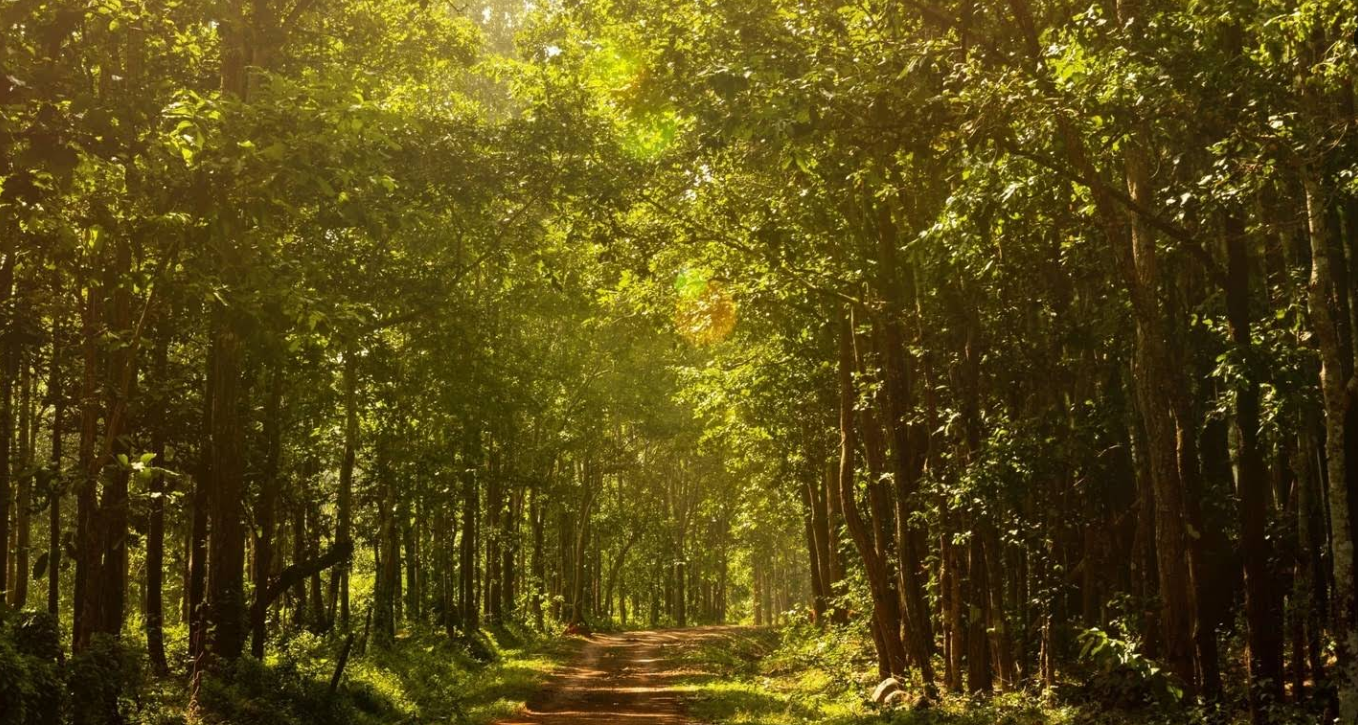
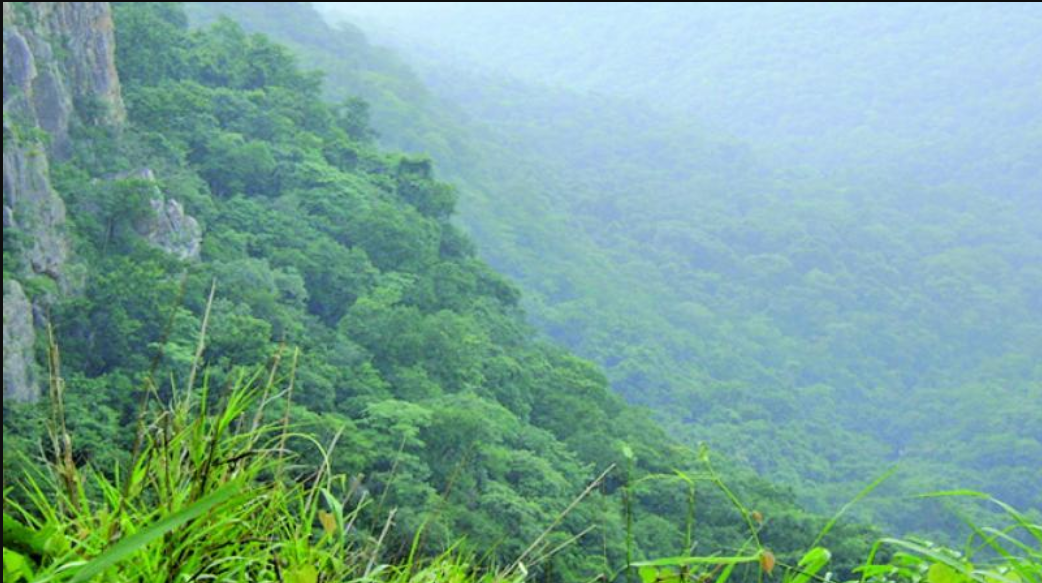
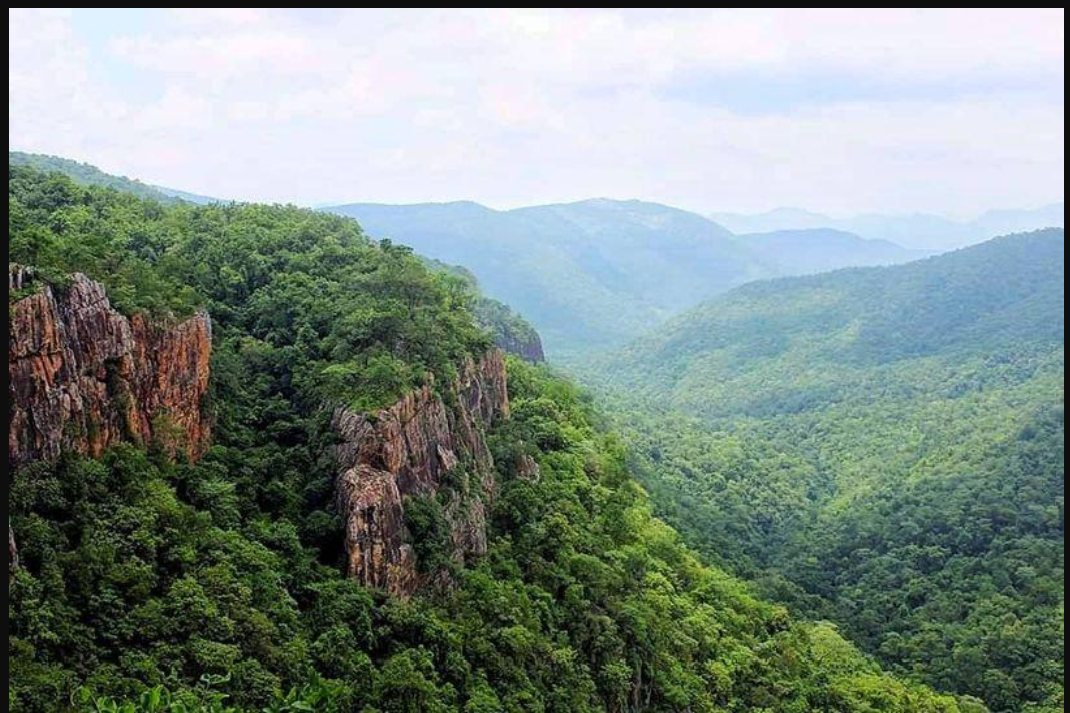
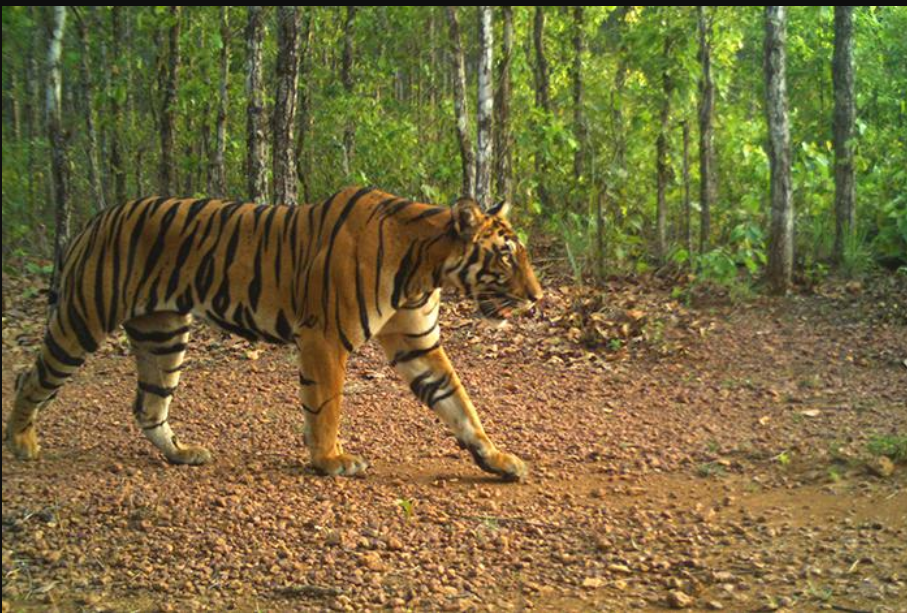
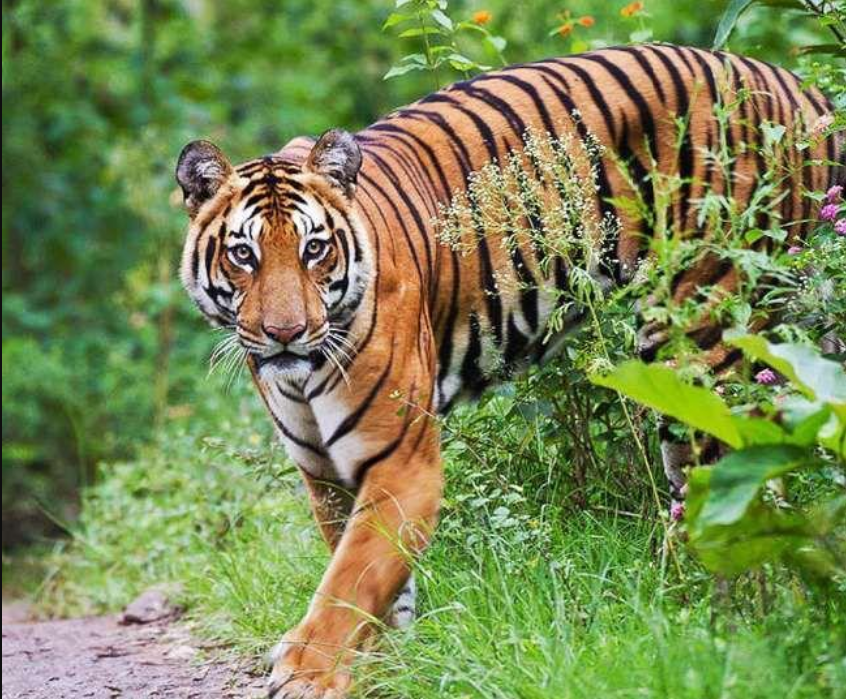
Simlipal National Park is one of India’s most beautiful and ecologically rich protected forests. Located in the Mayurbhanj district of Odisha, it is famous for its dense forests, waterfalls, hills, wildlife, and rich biodiversity. The park is home to Royal Bengal Tigers, Asian Elephants, leopards, gaurs, deer, and hundreds of bird species. Nature lovers, wildlife photographers, and adventure enthusiasts visit Simlipal every year to experience its untouched natural beauty. The park derives its name from the Simul (Red Silk Cotton) tree, which grows abundantly throughout the forest. Simlipal is also recognized as a Tiger Reserve, Elephant Reserve, and UNESCO Biosphere Reserve, making it one of India’s most important conservation areas.
Location:
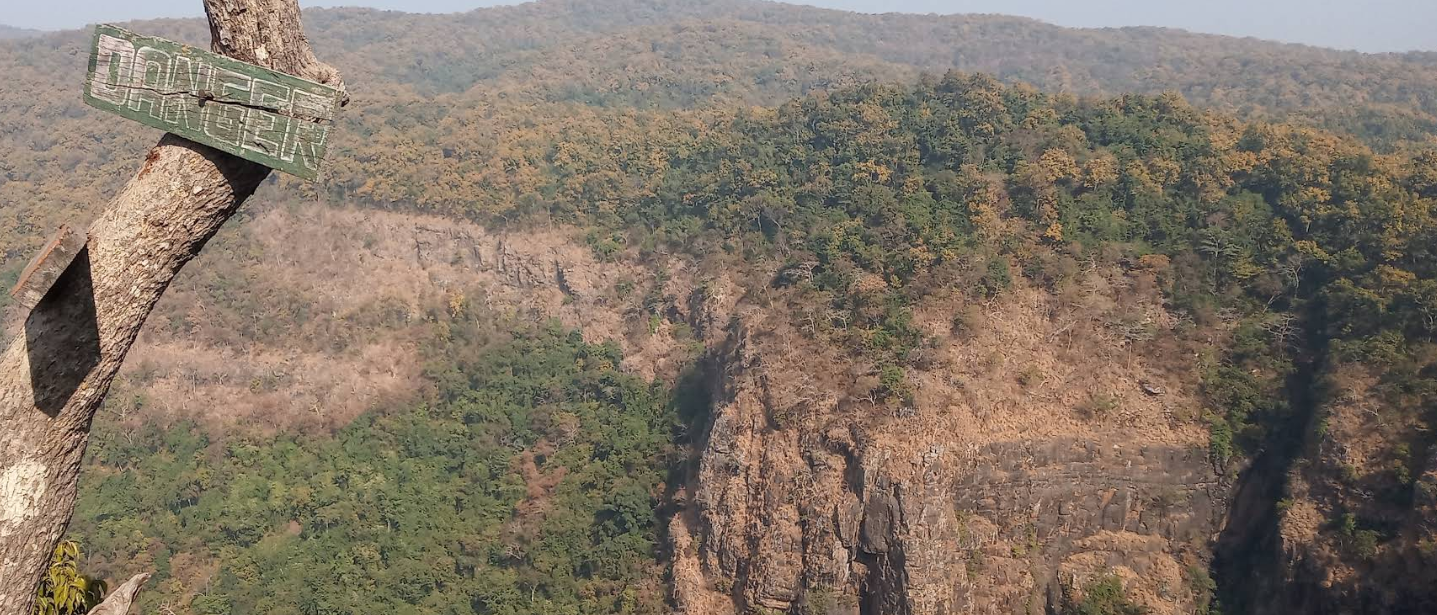
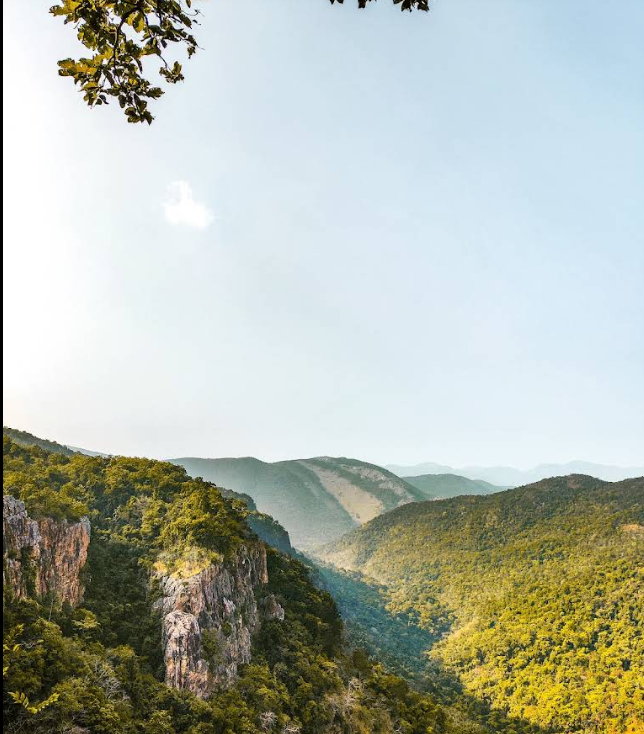
Simlipal National Park is situated in the Mayurbhanj district in northern Odisha, about 250 km from Bhubaneswar and around 60 km from Baripada, the district headquarters. The forest spreads across rolling hills, valleys, rivers, and grasslands, creating a unique landscape.
You can check your distance Click here By Air The nearest airport is Biju Patnaik International Airport, Bhubaneswar. By Rail The nearest major railway station is Baripada, with additional rail connectivity available nearby. By Road Regular buses and taxis connect Bhubaneswar, Balasore, and Baripada to the park’s entry points.
Originally, the forests of Simlipal served as the royal hunting grounds of the Maharajas of Mayurbhanj. After India’s independence, the area was gradually brought under protection. Some important milestones include: Declared a Tiger Reserve under Project Tiger in 1973. Declared a Wildlife Sanctuary in 1979. Declared a National Park in 1980, with expansion in 1986. Recognized as a Biosphere Reserve by the Government of India in 1994. Included in the UNESCO World Network of Biosphere Reserves in 2009.
Area:
Simlipal is one of the largest protected forest landscapes in India. Total protected landscape: approximately 2,750 square kilometers National Park area: about 845.7 square kilometers Elevation ranges from 300 to over 1,100 meters, creating diverse habitats for wildlife.
Climate:
Simlipal experiences a tropical monsoon climate. Summer (March–June): 20°C to 40°C Monsoon (July–September): Heavy rainfall Winter (October–February): 10°C to 25°C The best time to visit is from November to June, when wildlife sightings are more common and the weather is pleasant.
Flora (Plant Life)
Simlipal has one of the largest natural Sal forests in India. The forest also contains: Simul (Red Silk Cotton),Mahua,Bamboo,Teak,Arjun,Kusum,Harida,Bahada,Jamun More than 1,000 plant species Around 90+ orchid species Numerous medicinal plants The rich vegetation provides food and shelter for countless animals and birds.
Fauna (Wildlife)
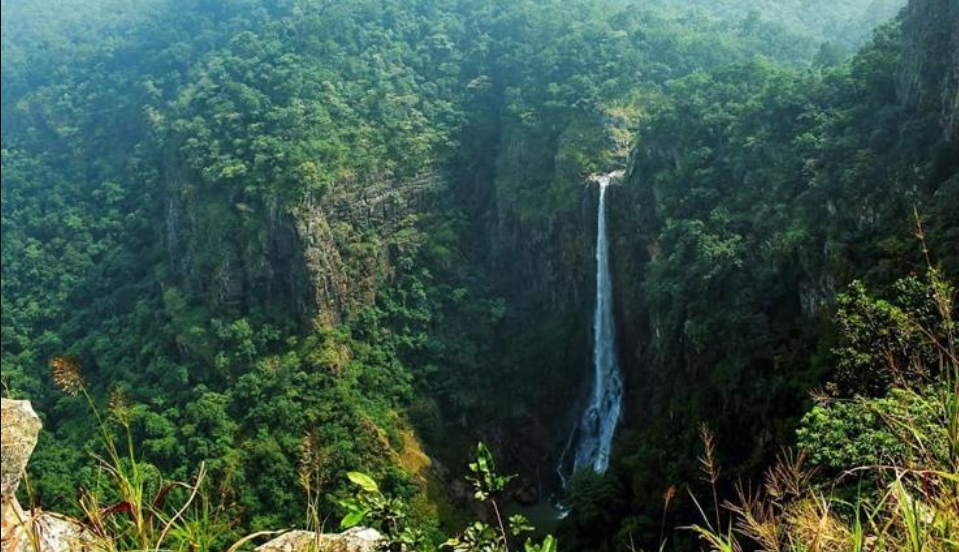
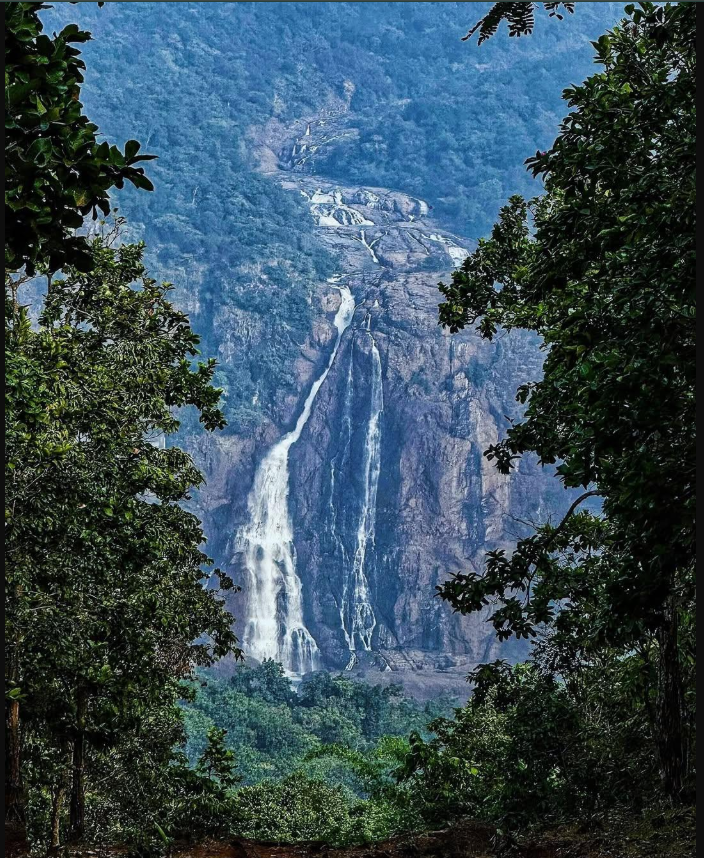
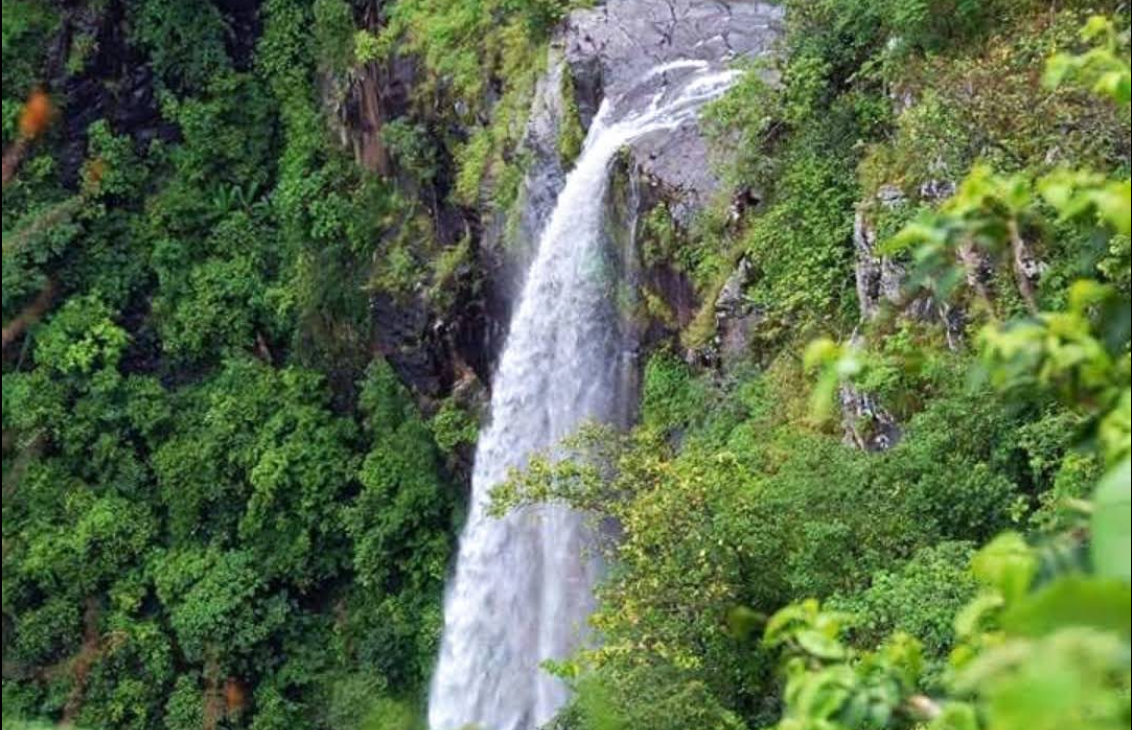
Simlipal is famous for its rich wildlife diversity. Mammals,Royal Bengal Tiger,Asian Elephant,Leopard,Gaur(Indian Bison),Sambar Deer,Spotted Deer Barking Deer,Wild Boar,Sloth Bear,Indian Giant Squirrel,Dhole (Wild Dog),Hyena,Birds More than 260 bird species have been recorded, including: Indian Peafowl,Crested Serpent Eagle,Hornbills,Kingfishers,Woodpeckers Parakeets,Reptiles,Mugger Crocodile,Indian Python,King Cobra,Monitor Lizard The park is especially known for its tiger and elephant populations. Famous Waterfalls Barehipani Waterfall Height: About 399 meters One of the highest waterfalls in India. Surrounded by dense forests and hills. Joranda Waterfall Height: About 150 meters A beautiful single-drop waterfall located deep inside the forest. Both waterfalls are among the biggest attractions in Simlipal.
Rivers:
Many rivers originate from the Simlipal hills, including: Budhabalanga River Baitarani River Subarnarekha River These rivers support wildlife, forests, and nearby villages.
Tribal Communities:
Several indigenous communities live in and around Simlipal, including: Ho,Mund,Santhal,Khadia,Bathudi These communities have lived in harmony with nature for generations and possess valuable traditional knowledge about the forest.
Tourism Activities Visitors can enjoy:
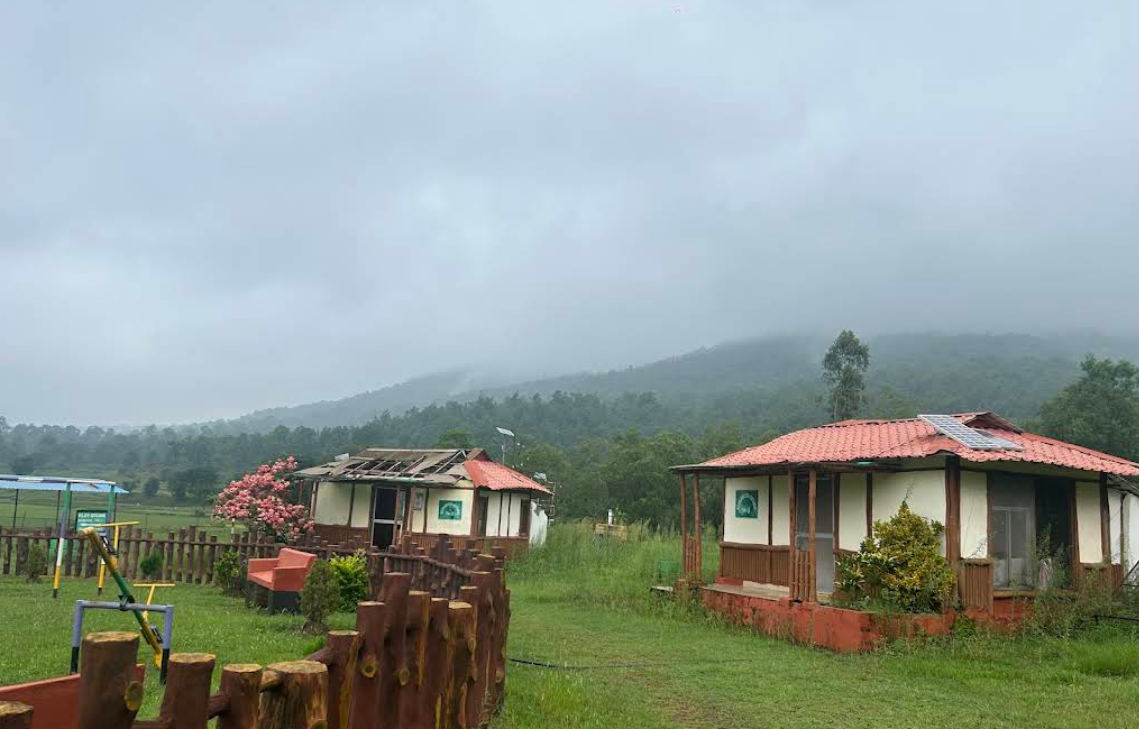
Jungle Safari Wildlife Photography Bird Watching Nature Walks Waterfall Visits Forest Camping Scenic Drives Safaris are conducted under the supervision of the Forest Department to ensure visitor safety and wildlife protection.
Conservation Importance:
Simlipal plays a major role in conserving: Royal Bengal Tigers Asian Elephants Rare orchids Endangered medicinal plants Diverse ecosystems of eastern India Its forests also help maintain regional water resources, reduce soil erosion, and regulate the local climate.
Interesting Facts:
Simlipal is among India’s earliest Tiger Reserves. It is named after the Simul (Red Silk Cotton) tree. Barehipani is one of the tallest waterfalls in India. The reserve supports rich biodiversity with forests, grasslands, rivers, and waterfalls. Scientists continue to discover new species in the park; recent surveys documented a remarkable diversity of lichens, highlighting its ecological importance.
Conclusion:
Simlipal National Park is one of Odisha’s greatest natural treasures and one of India’s finest wildlife destinations. Its lush forests, spectacular waterfalls, rich biodiversity, and thriving populations of tigers and elephants make it a vital conservation landscape. Beyond its ecological value, Simlipal also preserves the cultural heritage of indigenous communities and offers visitors an unforgettable experience of nature. Protecting this remarkable forest ensures that its wildlife and natural beauty continue to inspire future generations.