Chilika Lake
Introduction:
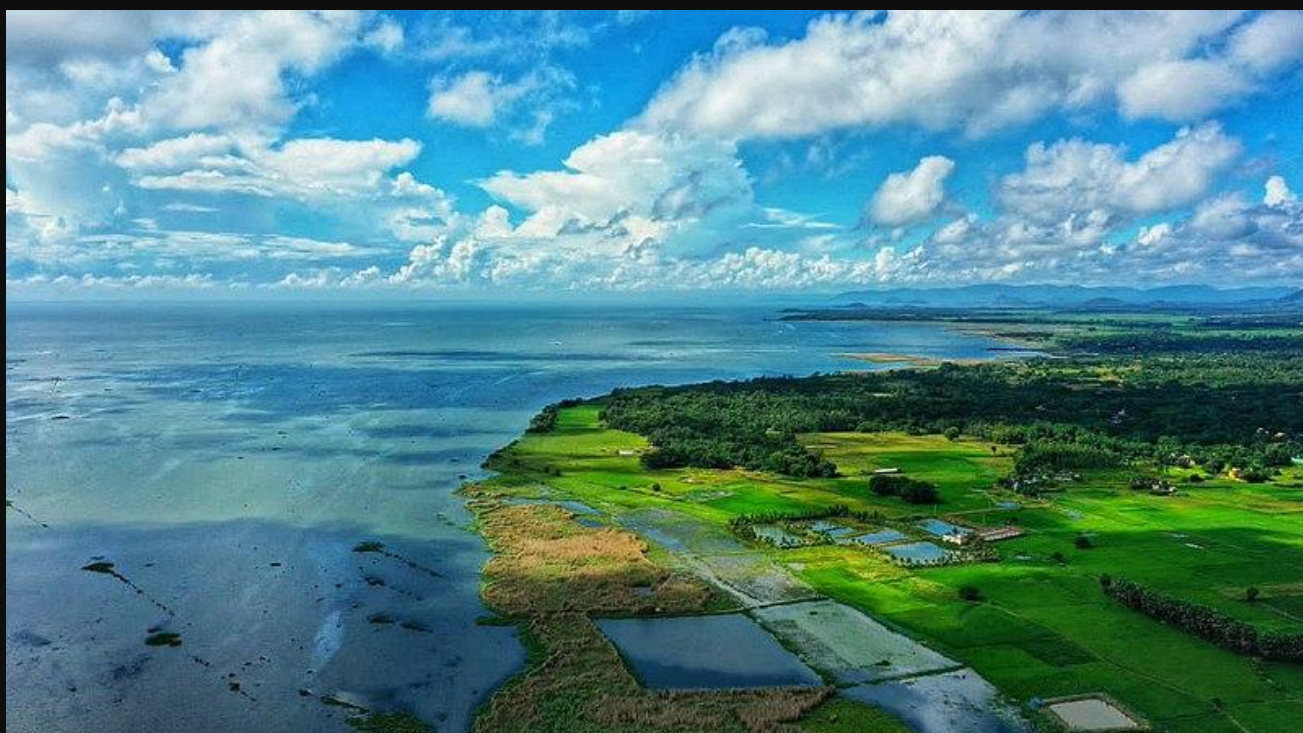
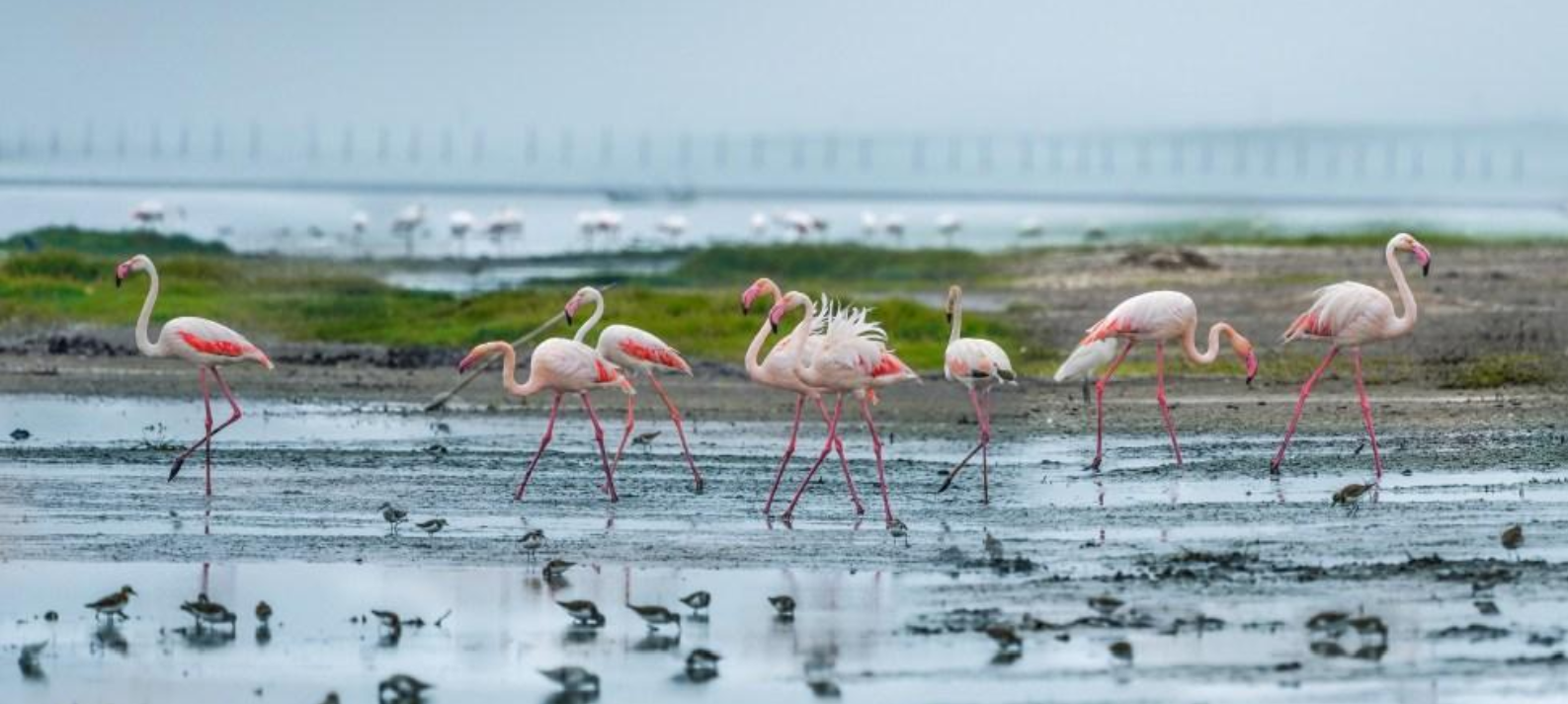
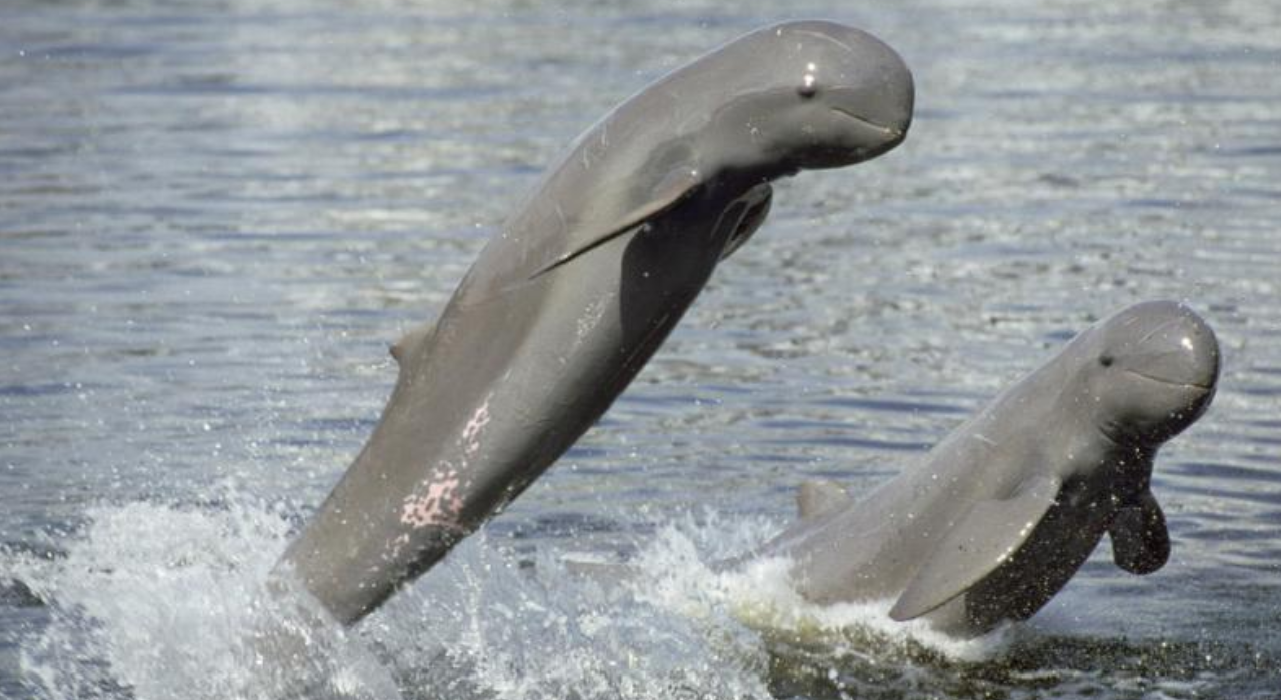
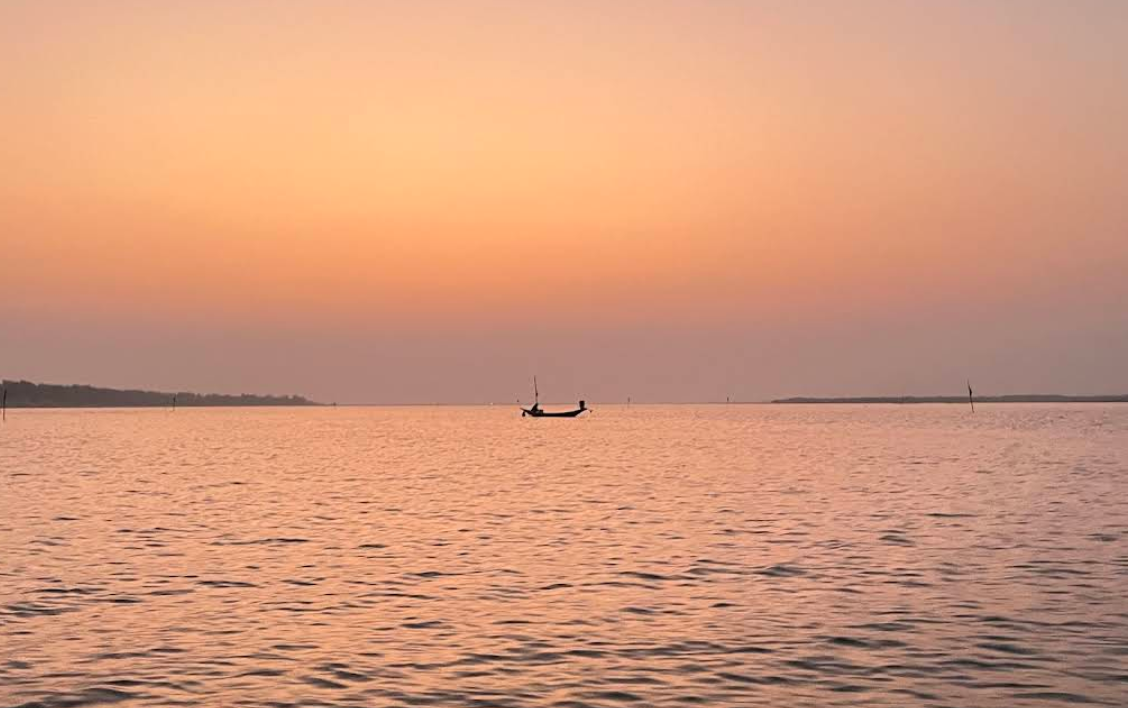
Chilika Lake is the largest saltwater lake in India and one of the largest coastal lakes in the world. It is located on the east coast of India, spanning the Puri, Khordha and Ganjam districts of Odisha. Covering an area that changes with the seasons, the lake extends from about 900 to 1,165 square kilometers. Chilika Lake is famous for its rich biodiversity, natural beauty, migratory birds and the endangered Irrawaddy dolphin. It is one of the most important tourist attractions in Odisha and plays a significant role in the environment and economy of the state.
Location:
Chilika Lake is located on the shores of the Bay of Bengal and is connected to the sea through a narrow channel. It is located about 100 km southwest of Bhubaneswar and about 50 km from Puri. The lake is about 64 km long, making it one of the largest wetland ecosystems in Asia.
You can check your distance Click here
Nearby Attractions:
Jagannath Temple, Puri
Structure and Nature :
Chilika Lake is a brackish water lake, meaning it contains a mixture of fresh water from the river and salt water from the Bay of Bengal. Rivers like Daya, Bhargavi, Makara and Nuna carry fresh water to the lake, while sea water enters through the mouth of the lake, creating a unique environment that supports a diverse range of flora and fauna.
The lake has shallow water, mudflats, islands, mudflats and reed beds, making it one of the richest ecosystems in India.
History:
Chilika Lake has been known since ancient times. Historical records and ancient texts mention the lake as an important centre for fishing, trade and navigation. For centuries, the local community has relied on the lake for their livelihood through fishing, agriculture and tourism.
In 1981, Chilika Lake was recognized as India’s first wetland of international importance under the Ramsar Convention. Later, successful conservation efforts restored its ecological health, making it an internationally recognized example of wetland restoration.
Biodiversity:
Aquatic life:
Chilika Lake is home to a wide variety of aquatic life, including:
Over 300 species of fish
Numerous species of shrimp and crabs
Seagrass and aquatic plants
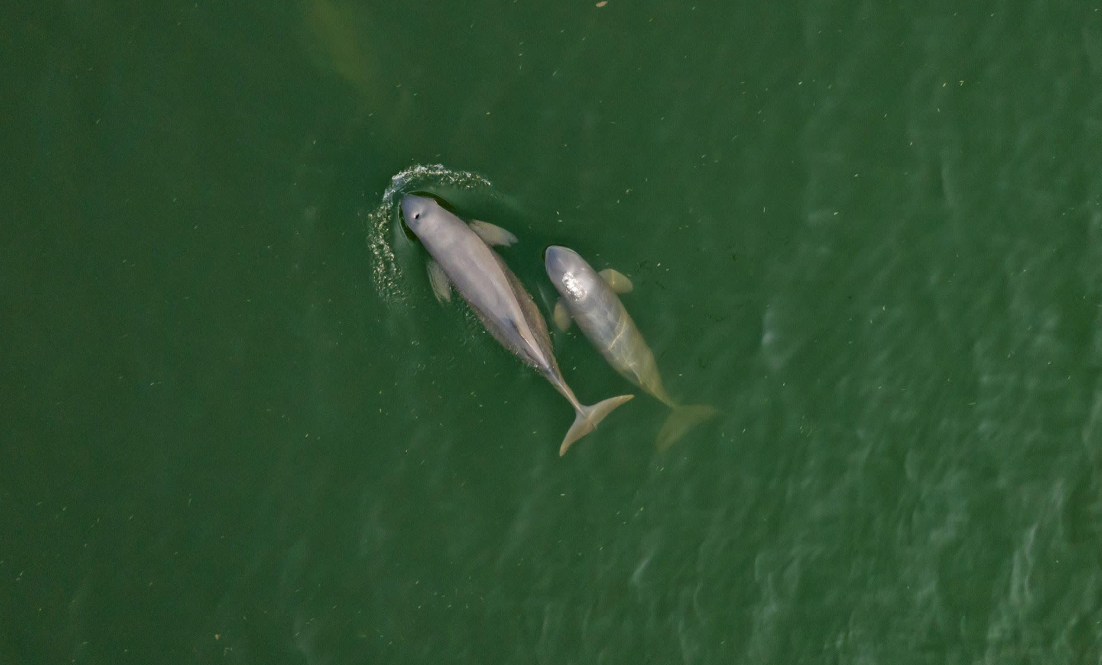
One of the lake’s biggest attractions is the endangered Irrawaddy dolphin
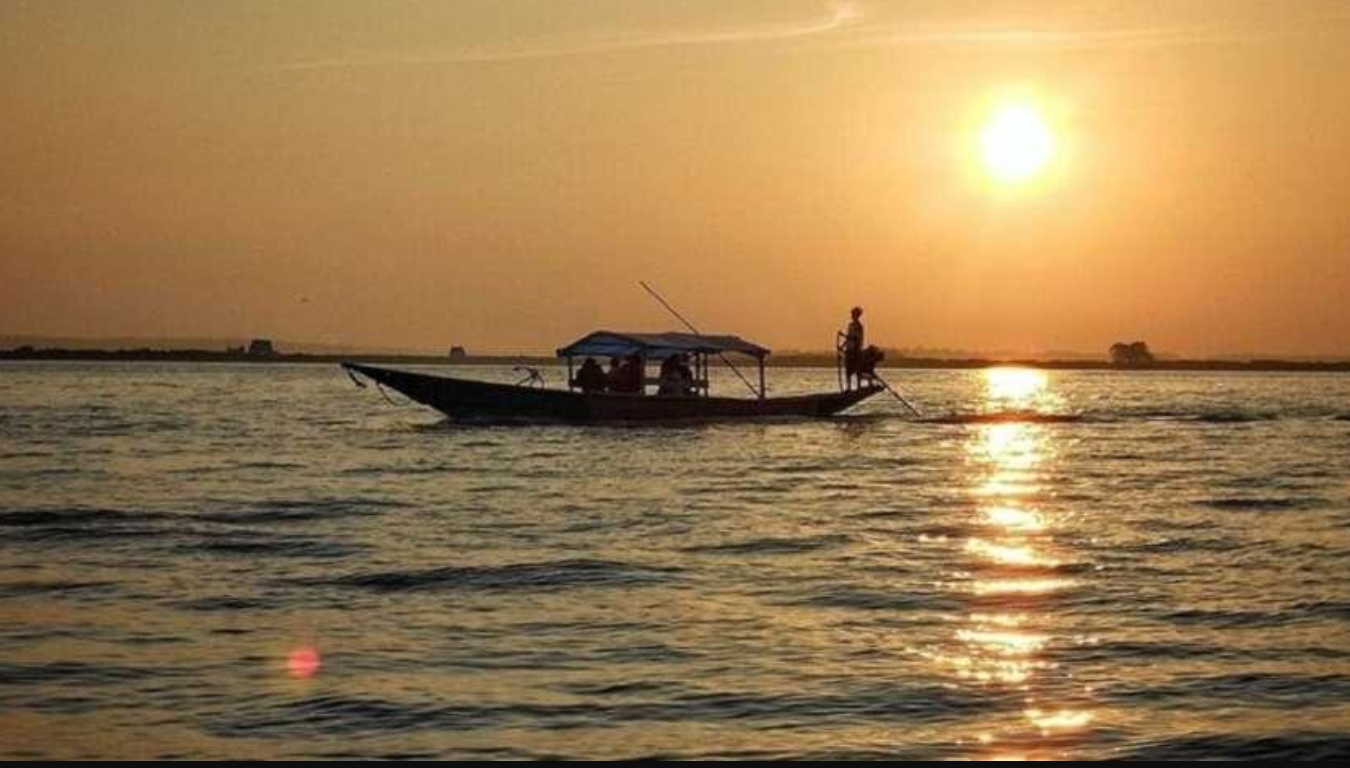
A boat ride near Satpada offers visitors the opportunity to see these dolphins in their natural habitat.
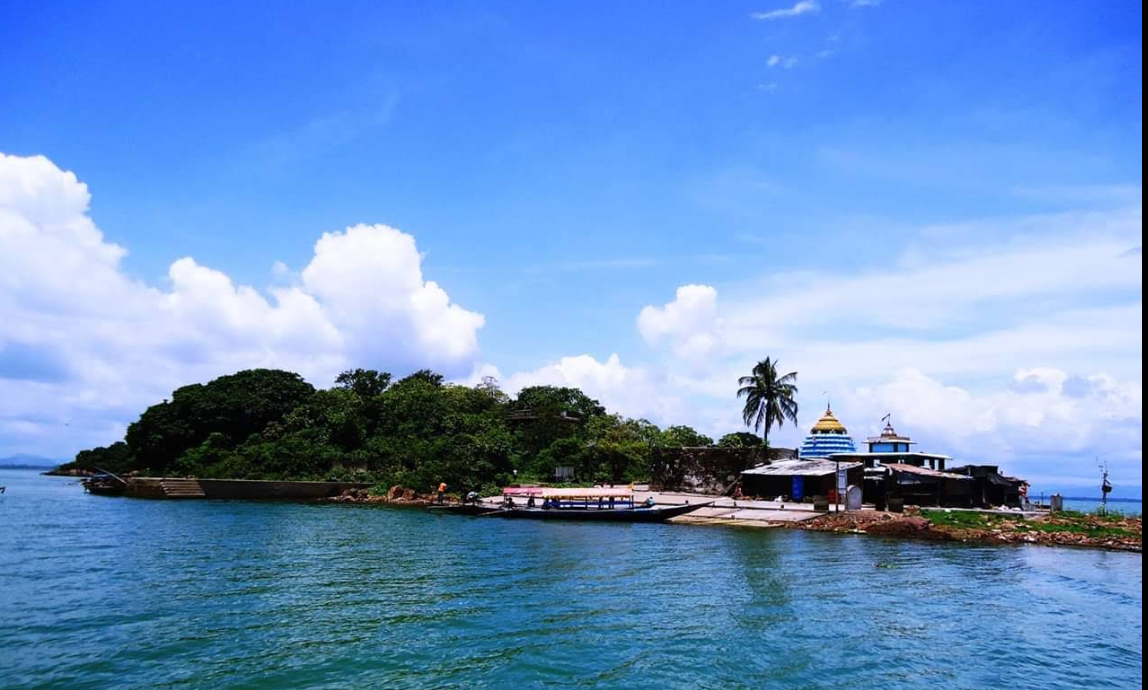
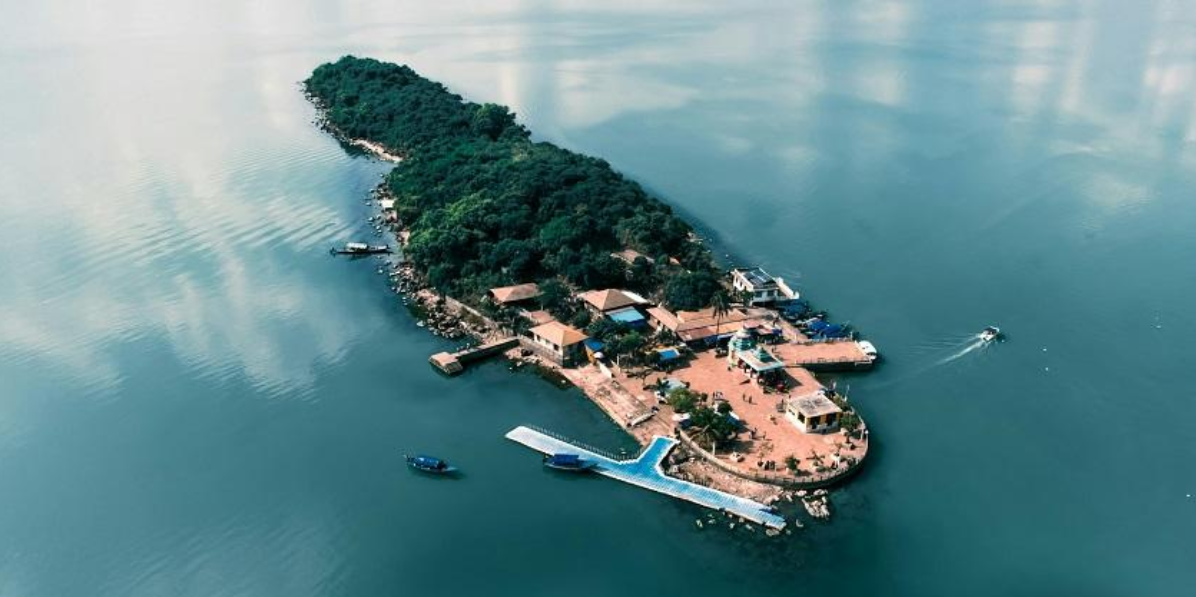
There are several beautiful islands located within Chilika Lake, each with its own significance.
Kalijai Island:
Kalijai Temple is famous for the temple of Goddess Kalijai. Thousands of devotees visit the temple every year, especially during the annual Makar Sankranti festival.
Madhuchandrik Island and Jalakhiya Island:
These small islands are popular tourist destinations known for their peaceful environment and beautiful natural scenery.
Nalbana Bird Sanctuary:
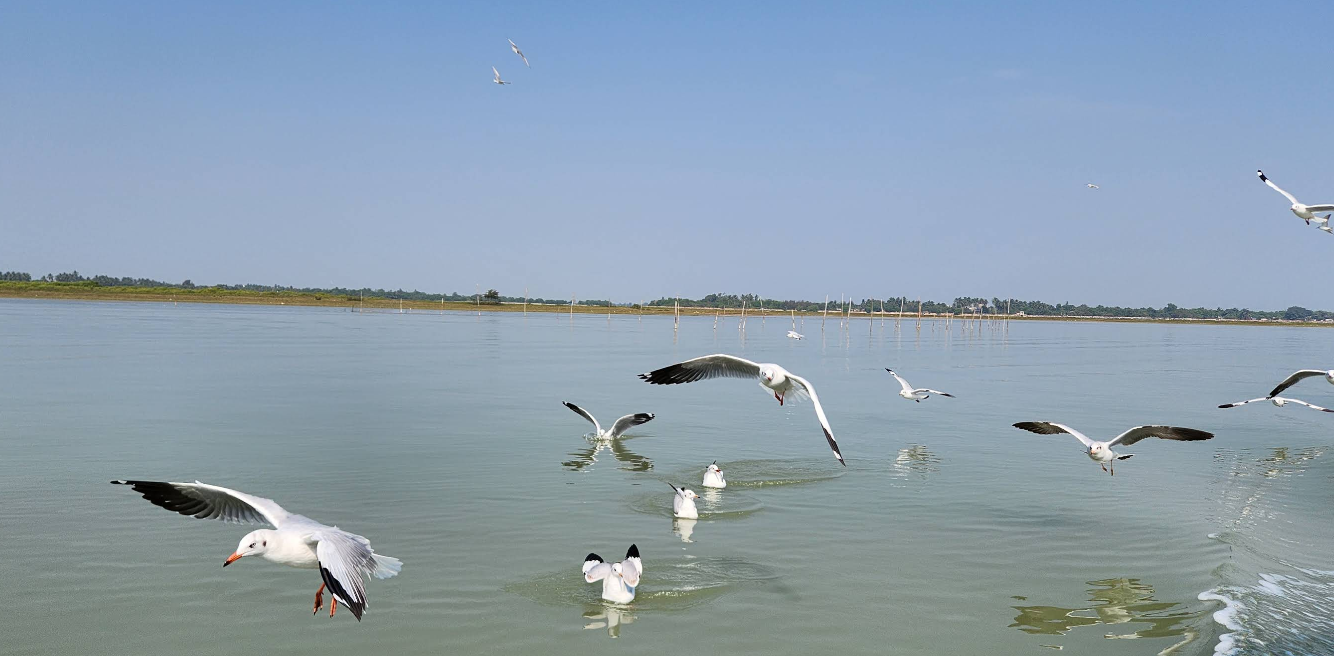
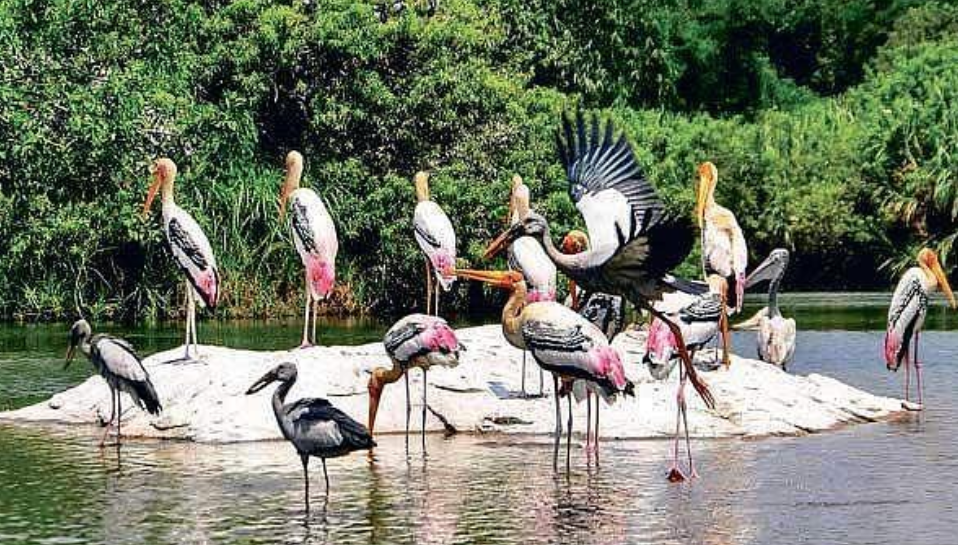
Nalbana Bird Sanctuary is a protected island that becomes a major breeding and feeding ground for migratory birds during the winter. It is one of the most important bird sanctuaries in India.
Tourism:
Chilika Lake attracts thousands of tourists every year. Popular activities include:
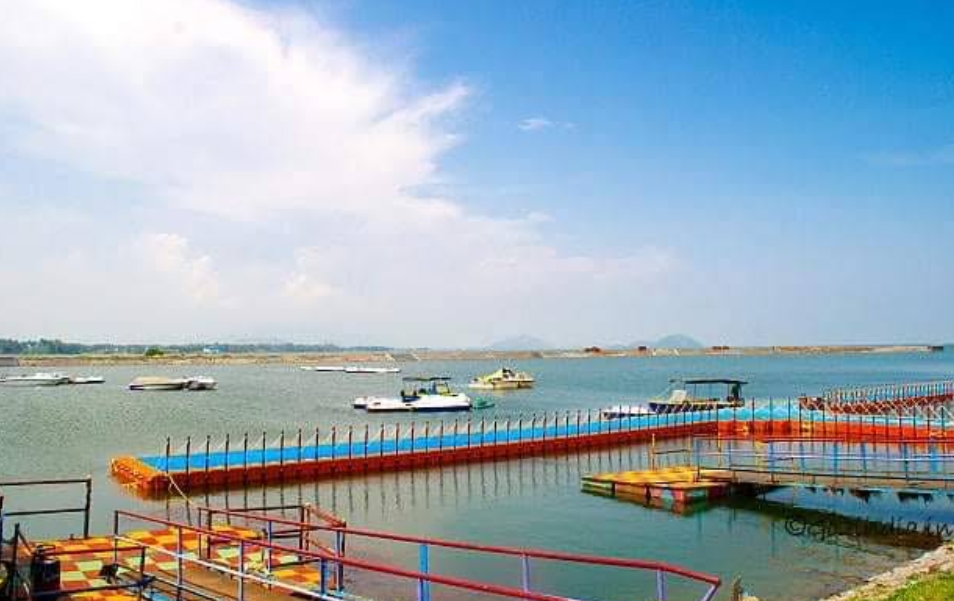
Boating,Dolphin watching,Bird watching,Photography,Island visits
Enjoying fresh seafood prepared by the local community
The most popular tourist entry points are:
Shatpada
Barkul
Rambha
Economic importance:
Chilika Lake provides employment to thousands of fishermen and local families. Fishing is the primary occupation near the lake. The lake also supports tourism, handicrafts, transportation and small businesses, which contribute significantly to the economy of Odisha.
Ecological significance,Chilika Lake performs several important ecological functions:
Maintains ecological balance.
Provides habitat for migratory birds and endangered species.
Helps protect the coastline from storms and floods.
Supports fisheries and aquatic biodiversity.
Acts as a natural water purification system.
Conservation:
The lake is managed by the Chilika Development Authority (CDA) in collaboration with the Government of Odisha. Conservation efforts include:
Restoring the lake’s connection with the sea.
Protecting migratory birds and dolphins.
Controlling pollution and illegal fishing.
Promoting eco-tourism and community participation.
Monitoring the lake’s biodiversity.
These efforts have greatly improved the lake’s ecological health over the past few decades.
Interesting Facts:
Chilika Lake is the largest saltwater lake in India.
It was India’s first Ramsar site, recognized in 1981.
The lake provides shelter to over a million migrants.